
Are you parenting from Instinct Or Inheritance?
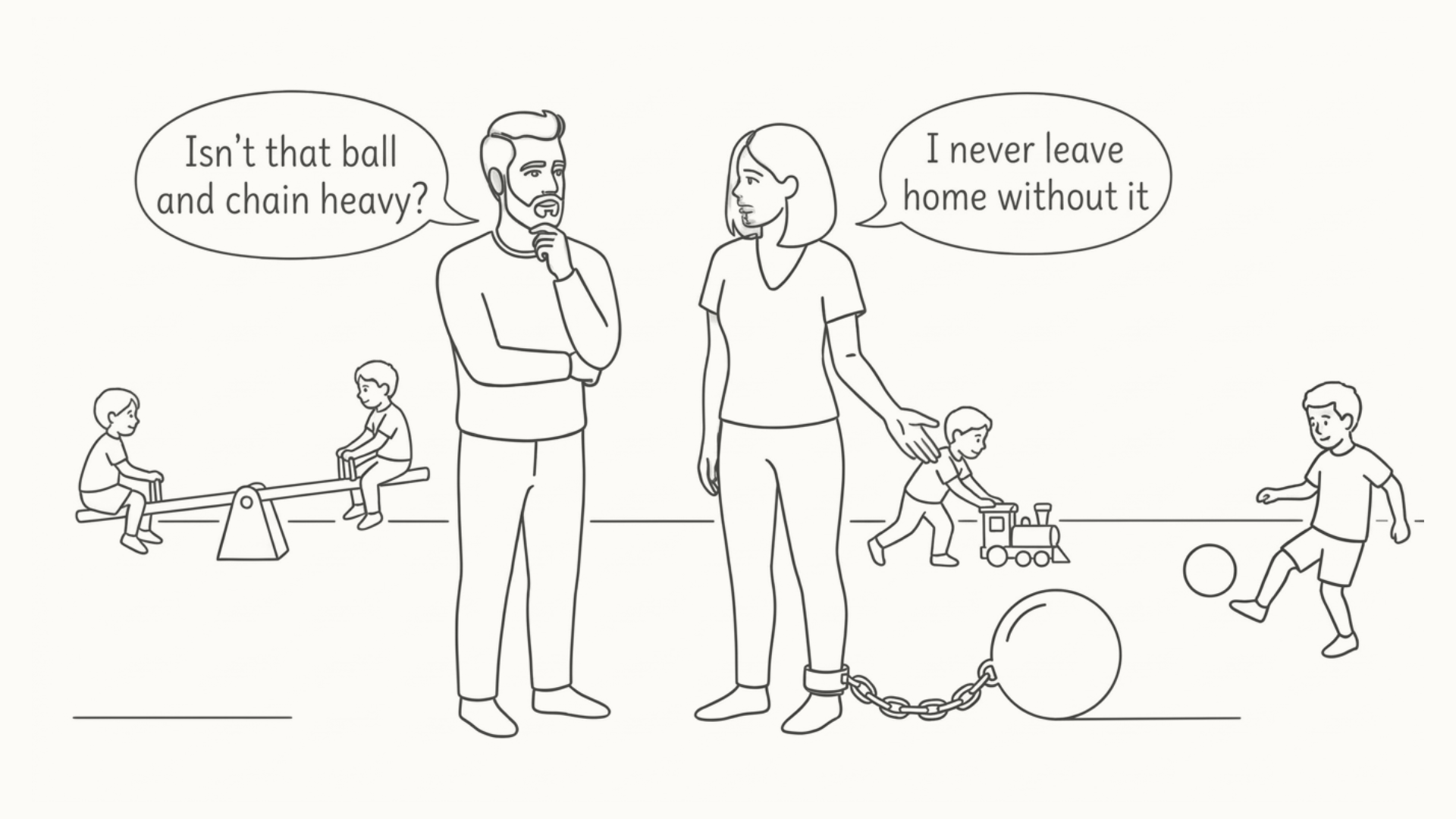
There's a moment most parents know well. Your child does something- talks back, melts down, refuses to eat, won't stop crying- and before you've had a single conscious thought, you've already reacted. Maybe you raise your voice, or escalate quickly to making threats, or maybe you totally withdraw into a cold silence that surprises even you.
And afterwards you wonder: Where did that come from?
We often think of these moments as pure instinct. But science and psychology are becoming increasingly clear that a lot of what we experience as instinct isn't actually instinct at all.
True Instinct: What It Actually Is
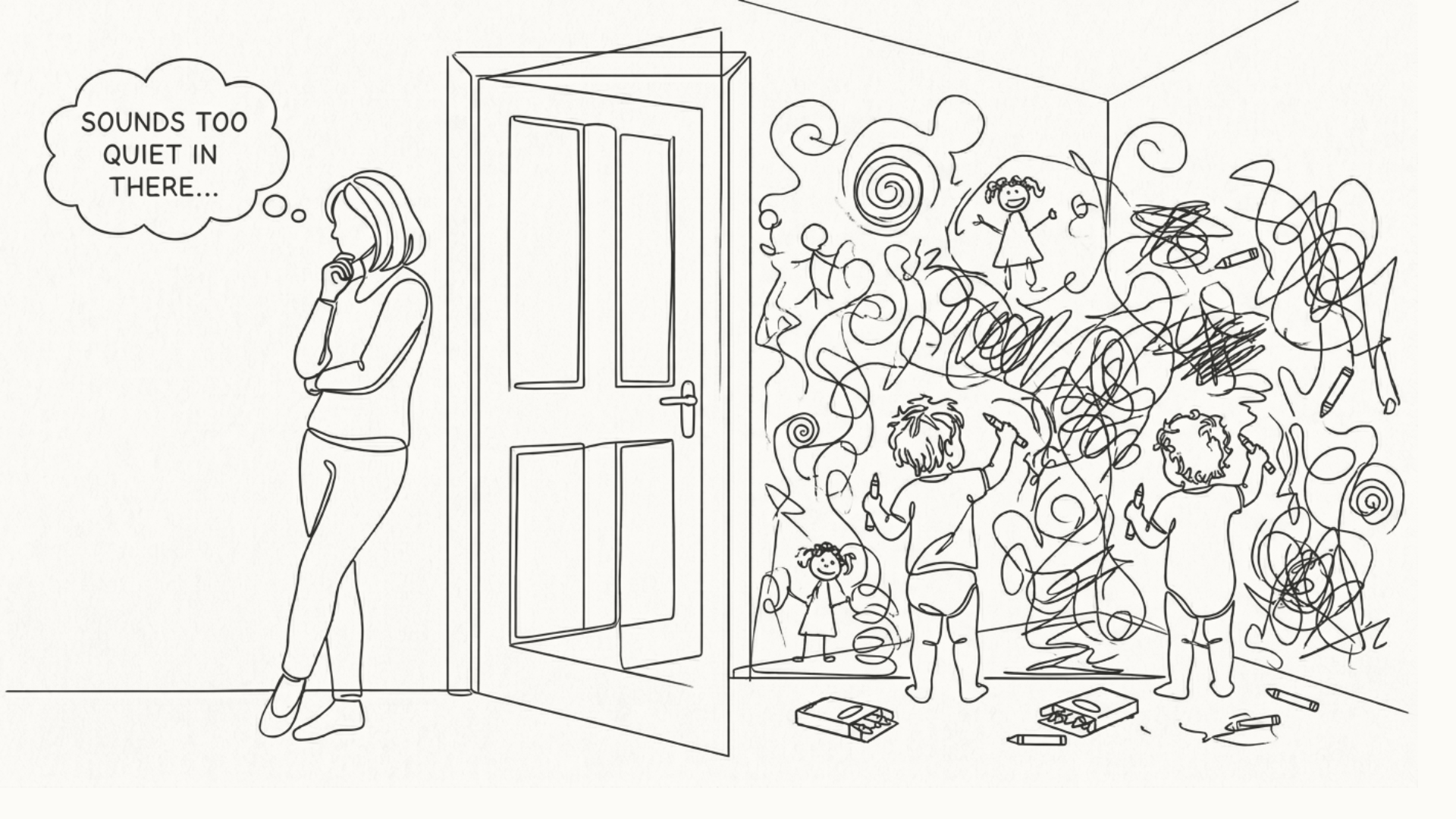
A note first: if your child runs into traffic, your heart rate spikes and you immediately act before your brain even kicks in… that is survival instinct, and it is exactly as it should be. That’s not what we’re discussing here.
I want to talk about something more subtle: the caregiving and connection instinct. This is the instinctive pull toward your child that shows up in more ordinary moments. This is the instinct to soften your voice when you can see they're overwhelmed, or spend time being really present with them. It’s the instinct to reach for them, physically or emotionally, when something feels off and you can instinctively sense that connection is needed.
Neuroscientists describe this behaviour through the lens of our caregiving circuits, a distinct neural circuitry that is concerned with attuned, present, protective responses to our children.
In other words, this instinct is in us. It is biological, it is real, and it is already there.
But then there's the other thing. The thing that gets in the way…
Inherited Patterns: The Impersonator
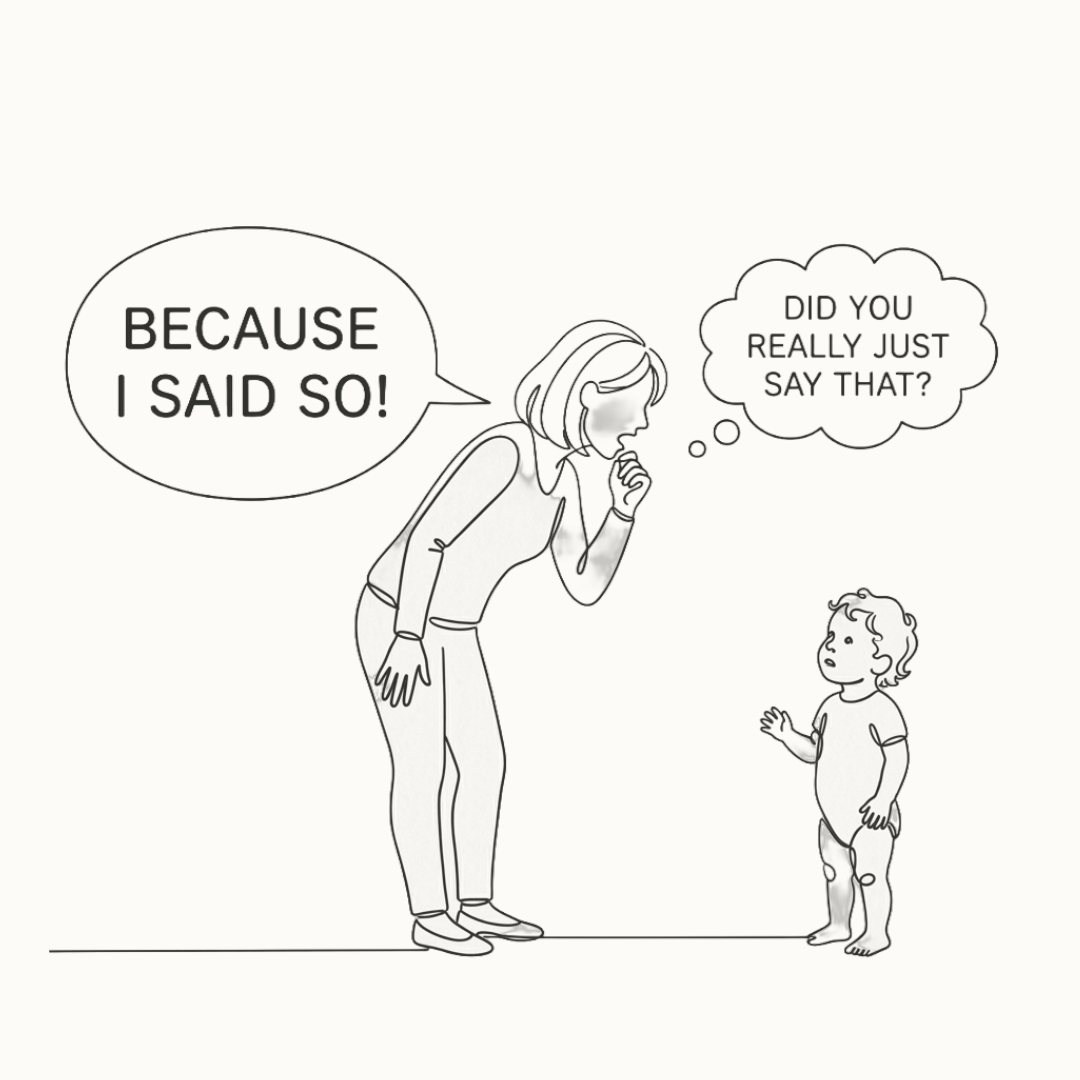
These are the reactions that feel just as fast, just as certain and automatic as our caregiving instincts. But they leave a heavy, lingering emotional residue. They feel vaguely wrong or confusing after the fact. They look like the shame spiral you have when your child is struggling in public and you walk away. The explosive frustration when they won't comply. The moment you shout, "Because I said so!" (which you probably swore you'd never say).
These aren't coming from the caregiving system. They are coming from the survival system- specifically, the amygdala and the body's threat response- which has been shaped, over your entire lifetime, by your own experiences.
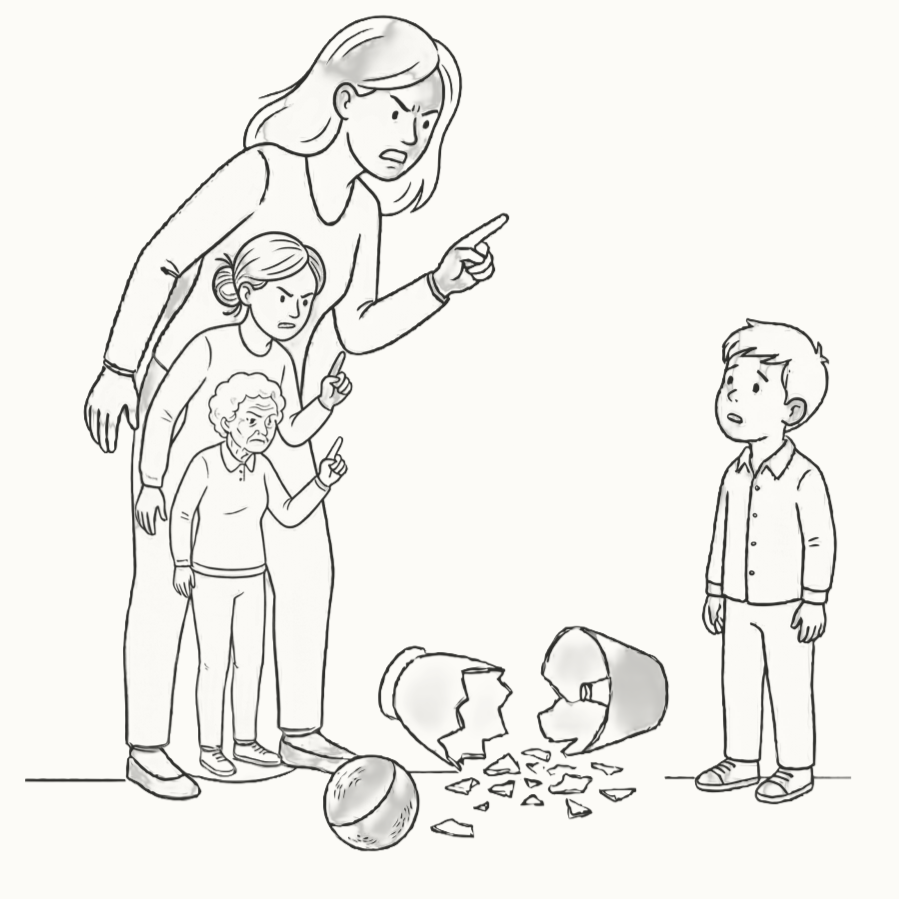
This is where the science of epigenetics and intergenerational patterns becomes important for parents to understand. Research shows that early childhood experiences actually alter gene expression, and influence how our stress response systems are calibrated. Patterns like hypervigilance, emotional shutdown, control, and people-pleasing are woven into our nervous systems. They shape our default ways of responding before we even have a chance to think.
Neuroscientist Dan Siegel describes this as our "implicit memory”- the stored emotional and physical experiences from our early lives that operate below conscious awareness. They are so embedded that we don’t think of them as memories. They feel like reality, they feel like instinct…they feel like us.
The Big Difference
There are a few helpful clues to tell us whether we’re acting from instinct or inherited patterns.
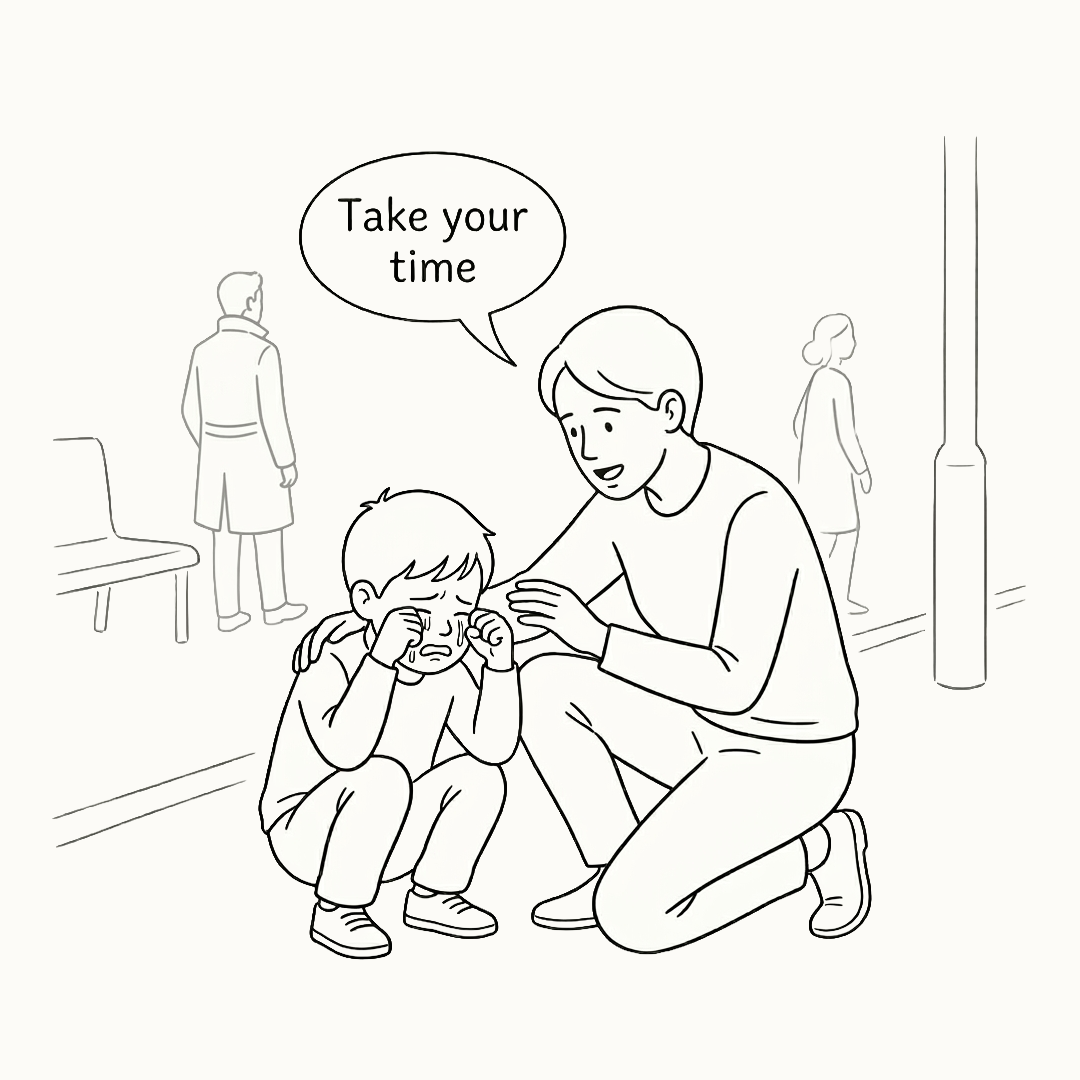
True instinct tends to feel grounding. It moves toward your child. There's a quality of openness, for example, your body orients towards your child, your attention narrows onto them, and the impulse is fundamentally connective. You want to close the distance.
An inherited fear pattern tends to feel urgent and physically contracting. There's often a bracing quality to it, like a tightening in the chest or jaw, a rapidly rising heat, an urgent need to make something stop. And crucially, what it wants to stop is often less about your child's actual need and more about your own discomfort.
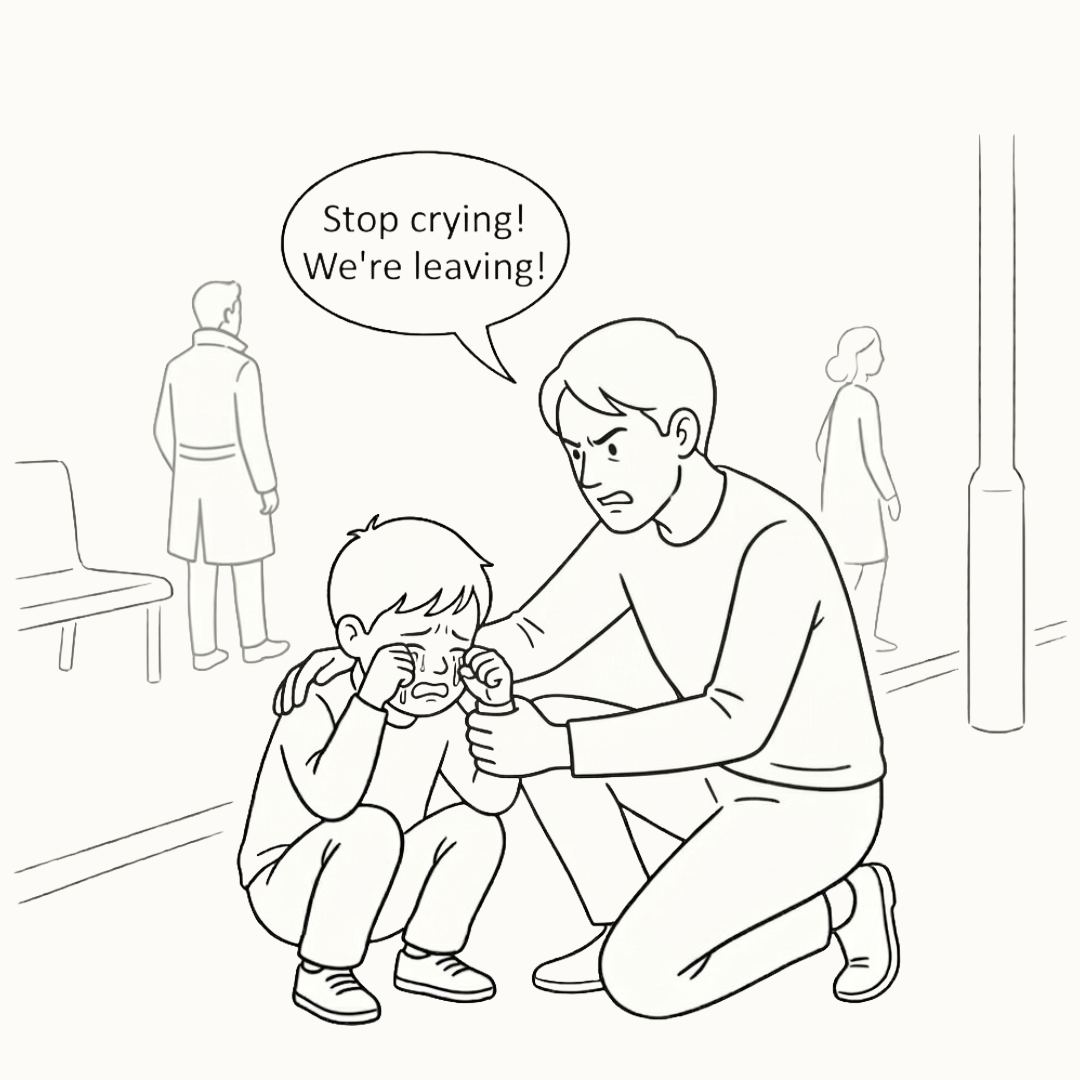
The overwhelm of the noise, the embarrassment of their behaviour in public, or the helplessness you feel with their distress.
It’s not the speed of the reaction, or the certainty of it, but what it's actually in service of.
There are clues in the aftermath of the reaction too. True instinct (even when it's intense) tends to leave you feeling settled. Inherited patterns tend to leave a lingering feeling of wrongness. That may come in the form of shame, guilt, sadness or thinking “Why did I do that” for some time afterwards. Your nervous system, on some level, already knows the difference.
When you snap because your child's chaos is activating the part of you that grew up needing everything to be controlled in order to feel safe…
When you shut down emotionally because your child's distress is activating the part of you that learned early on that your feelings weren't allowed…
When you catastrophise your child's every bump or bruise because you were raised in an environment of chronic anxiety…
These are point to inherited patterns, not instinct.
Widening the Gap & Breaking Cycles
Our nervous systems are incredible machines with staggering powers of adaptation. The unconscious patterns that formed in our childhood kept us alive and kept us safe, and we can be grateful to them for that.
But the profound shift available to us as parents is this: what was once unconscious can become conscious. And once it's conscious, it can change.
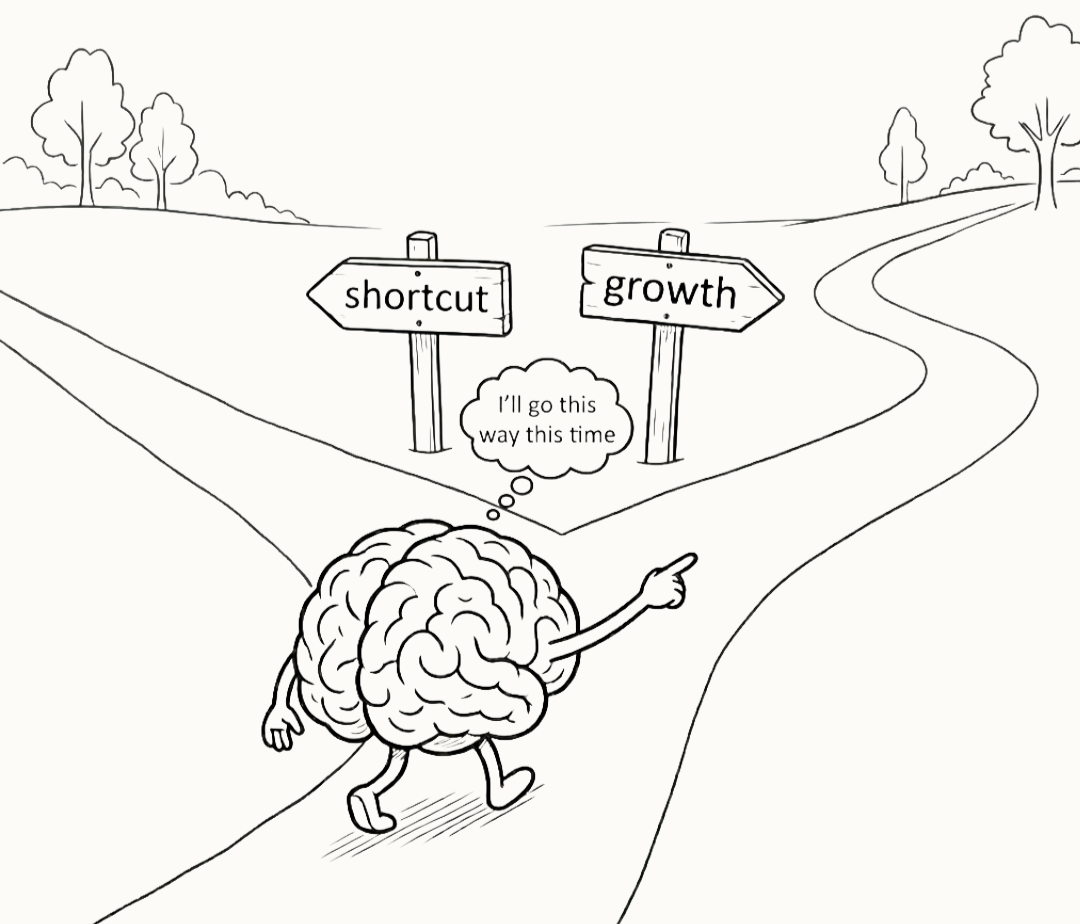
Research on neuroplasticity confirms that the brain retains the capacity to form new neural pathways throughout life. The automatic, inherited response is not a life sentence. With awareness, repeated new experiences, and the right support, the nervous system can genuinely learn a different way.
This is what breaking generational cycles actually looks like. It’s not perfection or never reacting. But the gradually widening gap between stimulus and response, in which you begin to choose, rather than simply react and repeat.
We can’t always catch ourselves in real time, but the next time a reaction surprises you, try to become curious.
Where is this urgency coming from? Is it about something your child genuinely needs right now, like safety, connection, or guidance? Or is it about something in you that needs to be managed, like embarrassment, overwhelm, or a feeling of losing control?
Is this moving toward or away from them? Instinct motivates you to close the distance. Fear-based patterns often create it through withdrawal, coldness, shaming, or control.
Does this feeling have a history? Sometimes a reaction carries a weight that's completely disproportionate to what just happened. A child's defiance that sends you into a rage that shocks you, or tears that make you want to leave the room. Disproportionate reactions are almost always older than the moment and they're also incredible doorways into meaningful change.
Adrienne Crenshaw is a certified Parent Support Specialist and founder of Work in Progress Parenting. She works with parents to understand the patterns beneath the reactions, and to build the self-awareness that makes real, lasting change possible. Book a free chat here.