
When Did You Stop Knowing What You Needed?
The neurological mechanism that makes parents lose themselves — and why it starts long before you have kids.
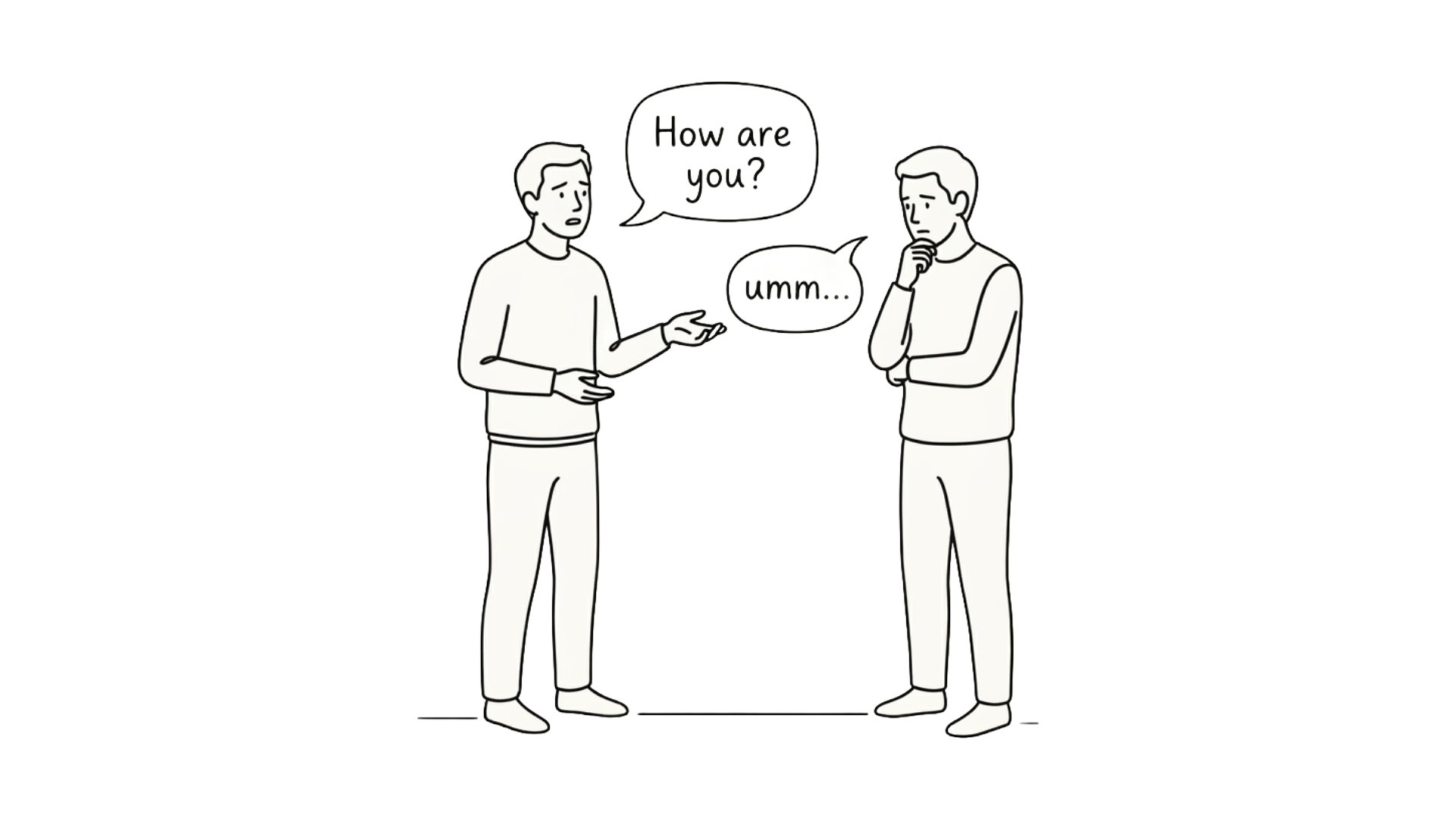
There’s a particular kind of loneliness that comes with being a parent. It’s not the 3am loneliness of multiple wakings, or the social loneliness of cancelled plans and shrinking friendships. And it’s definitely not the loneliness of actually being alone (you probably can’t even get 5 minutes in the bathroom by yourself). It’s the loneliness of being completely disconnected from yourself and not even noticing it happened.
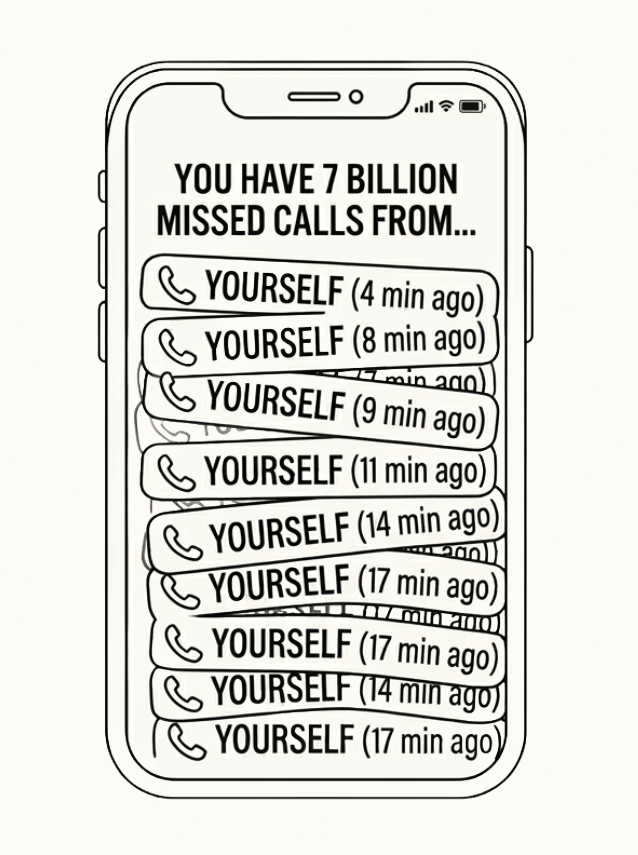
We talk about parents feeling unseen by society, unsupported by systems, undervalued by culture. All of that is real and worth the rage. But there's a layer beneath that common conversation that we rarely reach: the way parents stop seeing themselves. Not just their needs or their time — but their own internal world. Their own exhaustion, hunger, and sadness. Their own sense of having a “self” in their own right.
And this isn’t a self-care issue. It's not fixed by a bath bomb and an early bedtime. It is, at least in part, a neurological one. And, if you really look back, it probably didn't start when your child was born.
The Signals We Stopped Hearing
To understand what happens to parents, we need to understand two sensory systems that most of us were never taught about.
The first is interoception. This is your body’s ability to sense its own internal state. This means things like heart rate, hunger, temperature, the tight chest of anxiety, and the heavy limbs of exhaustion. It’s the sixth sense nobody taught us in school, and it is the bedrock of emotional regulation, self-awareness, and knowing what you need.
The second is exteroception. This is your nervous system’s processing of the external world, and everything coming at you from outside your body: sight, sound, touch, smell, movement in your environment. It’s your brain’s constant job of scanning, interpreting, and responding to what’s happening outside of you.
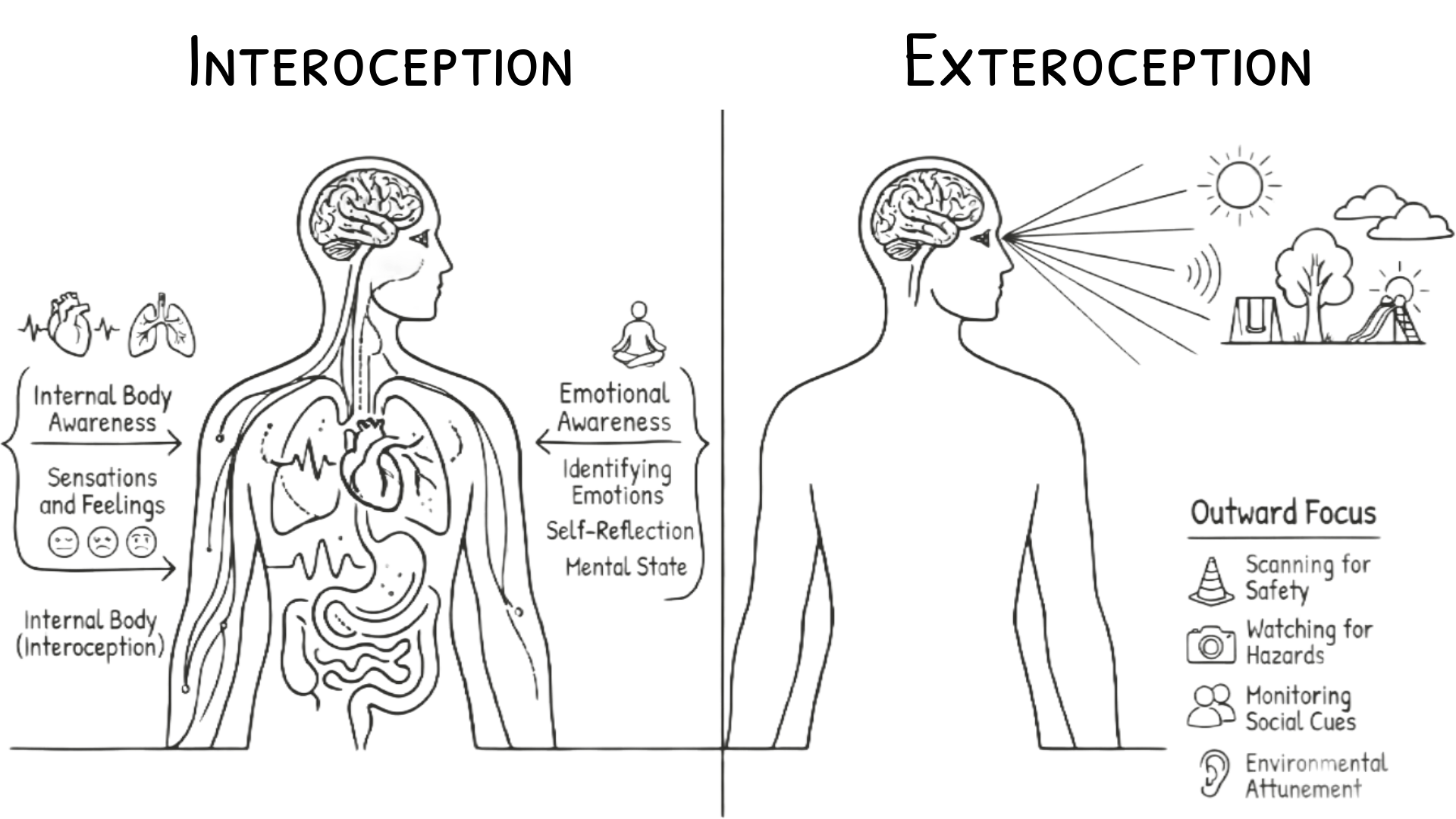
In a regulated adult, these two systems work in balance. You take in the world around you and you remain anchored to your own inner experience. You can be present with what’s happening externally without losing the thread of yourself internally.
Healthy functioning requires both. But under chronic stress — and especially under the specific demands of caregiving — one of these systems begins to dominate entirely. And it’s not the one that keeps you connected to yourself.
How Parenthood Hijacks Your Sensory System
Parenthood, particularly in the early years, demands a near-total reorientation of your nervous system toward the external.
Your child’s cry, the way their breathing sounds at night, and whether the room is too warm. Anticipating every need they have, their over-stimulation or boredom, or an impending meltdown. The constant low-level surveillance of another human being’s state — their hunger, their safety, their emotional regulation — becomes the primary job of your exteroceptive system.
The caregiving brain is necessarily wired for hypervigilance toward a dependent child. But the cost of this wiring, especially when it runs continuously, with no counterbalance, across months and years, is that interoceptive awareness becomes progressively weaker.
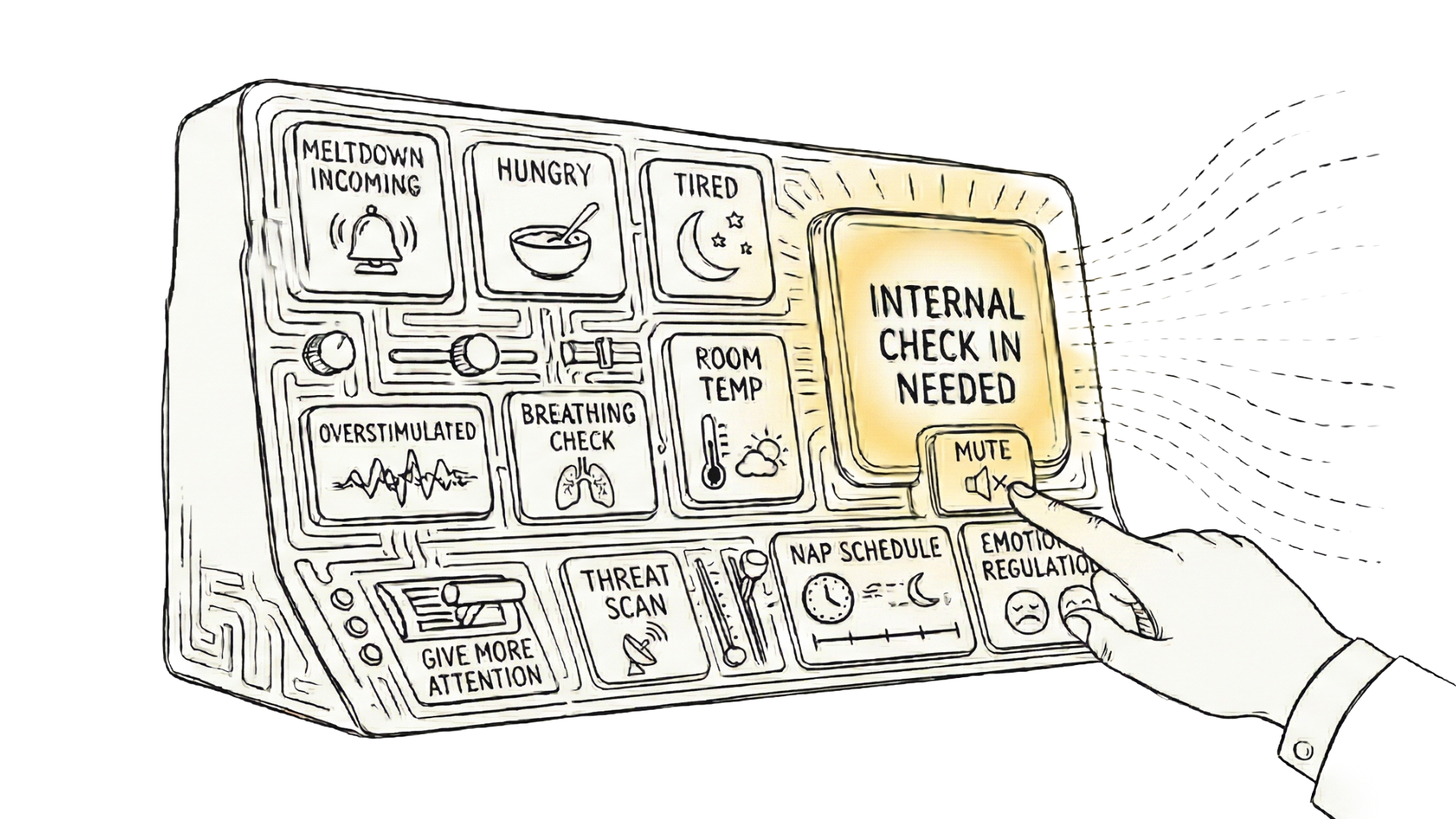
You stop noticing you’re hungry until you’re shaking. You stop registering exhaustion until you’re beyond functioning. You stop feeling sad because there’s no moment when the external monitoring pauses long enough for internal signals to be truly felt (the 5-minute breakdown you allow yourself while hiding in the kitchen isn’t enough). Your nervous system has been so thoroughly trained to look outward that looking inward starts to feel impossible and indulgent.
You Were Already Running on Empty
The truth is, most of us arrive at parenthood already disconnected from ourselves.
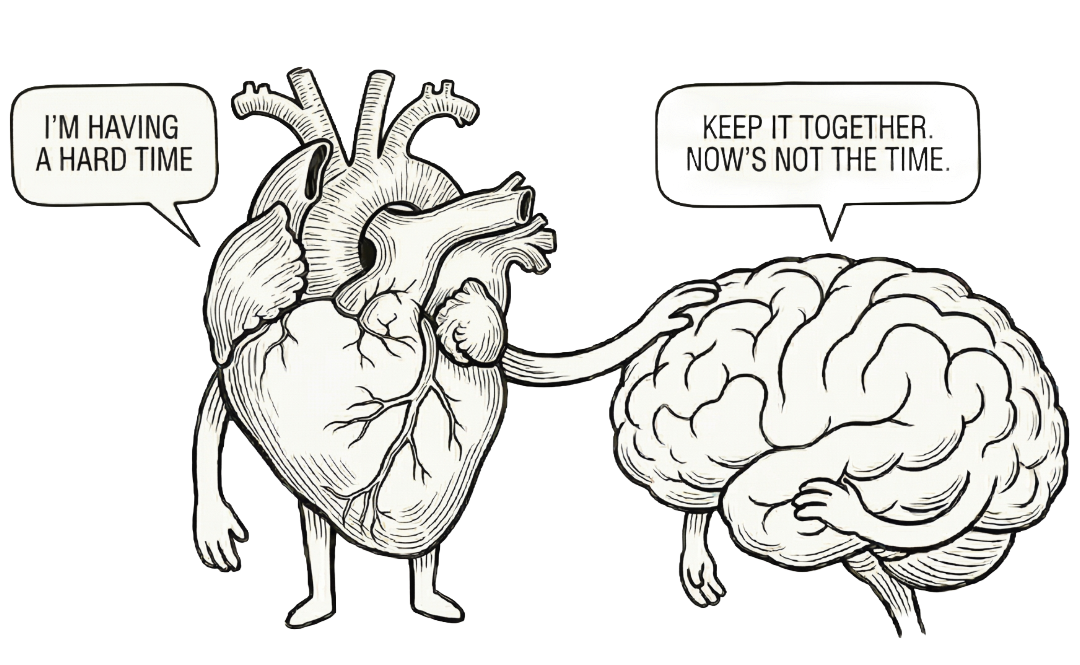
Most of us have spent years, maybe even decades, overriding hunger to finish work and pushing through illness. Squashing fear and swallowing sadness because there wasn’t space for it. We performed ‘okayness’ because we learned early and clearly that our internal signals were inconvenient, embarrassing, too much, or simply irrelevant compared to what was needed of us externally.
Many of us grew up in environments — families, schools, workplaces, cultures — that were exteroceptively demanding. Environments where you had to stay attuned to others’ moods, needs, and signals for safety. Where your own internal experience was consistently overridden in favour of managing what was happening around you.
This is called interoceptive insensitivity, which is the dulling of the body's internal signal strength. It's associated with anxiety, depression, trauma, burnout, and chronic stress. Your system learned that the signals weren’t going to be acted on, so it muffled them.
And then you had a baby.
Why "Self-Care" Doesn’t Touch This
When you can’t feel yourself, a face mask is not going to help.
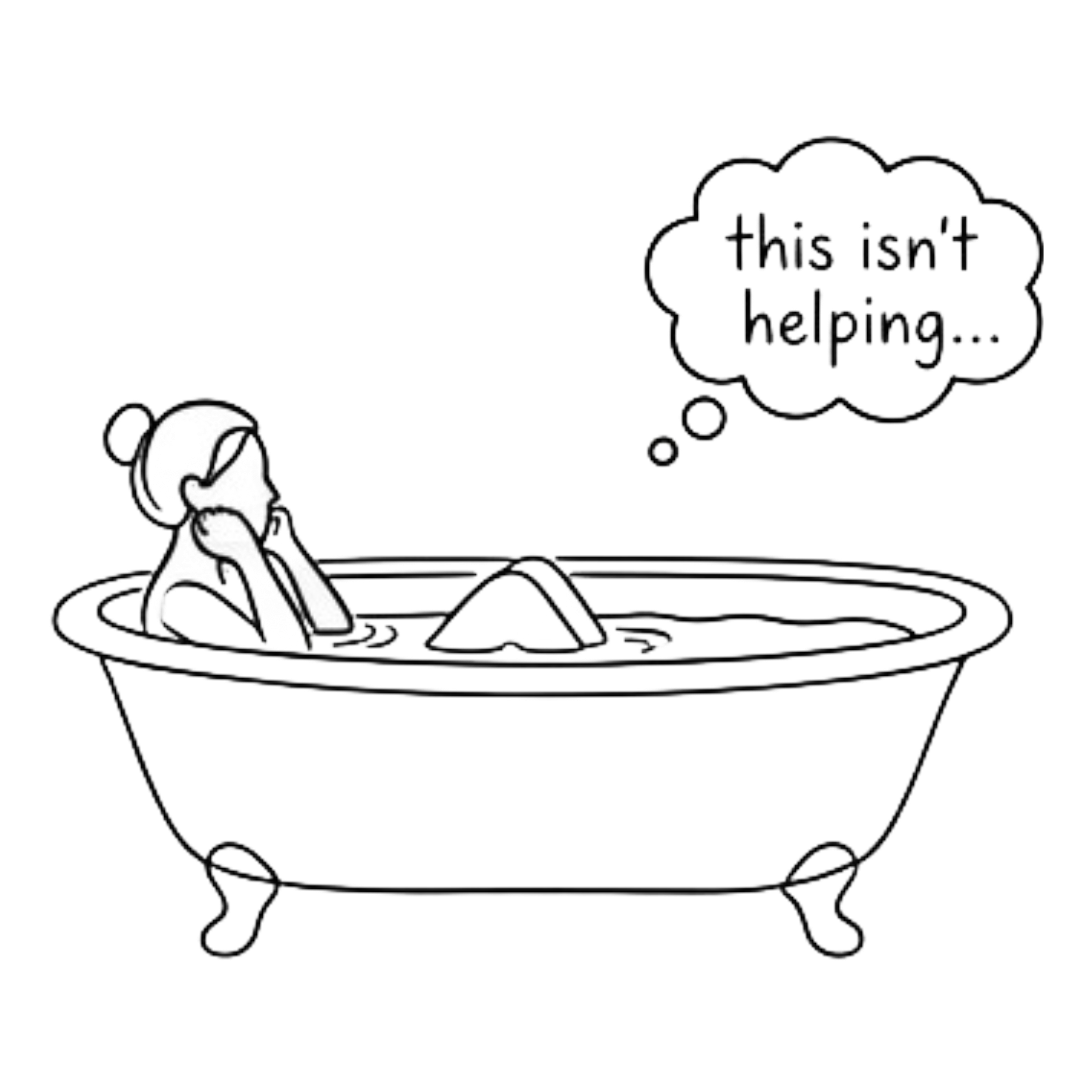
The self-care industrial complex operates on the assumption that parents know what they need and simply haven’t prioritised the time to meet those needs. But interoceptive disconnection doesn’t work like that. When the signals are muffled, you genuinely don’t know what you need.
This is why so many parents describe feeling empty, flat, numb, or just… absent from themselves. Why leisure time still leaves you feeling unfulfilled, why you can finally have an evening alone and spend it staring at your phone, or generally feeling unable to find something that actually replenishes you. Your nervous system has lost the signal to your own inner world…it only knows how to look out.
The Unseen Parent
Society’s failure to value parents and the structural abandonment of caregivers is real. And with it, the unrealistic expectation that you will dissolve into this role and manage to reconstitute yourself in stolen minutes with no real support or interest.
But the deeper truth is that many of us were already becoming invisible to ourselves long before our children arrived. Parenthood didn’t create the disconnection. It amplified it, accelerated it, and stripped away whatever fragile scaffolding we had been using to manage it. In this way, parenthood offers an unprecedented opportunity to know ourselves - not through returning to “who we were before” as we often say, but by truly understanding the needs and messages from our inner world for perhaps the first time.
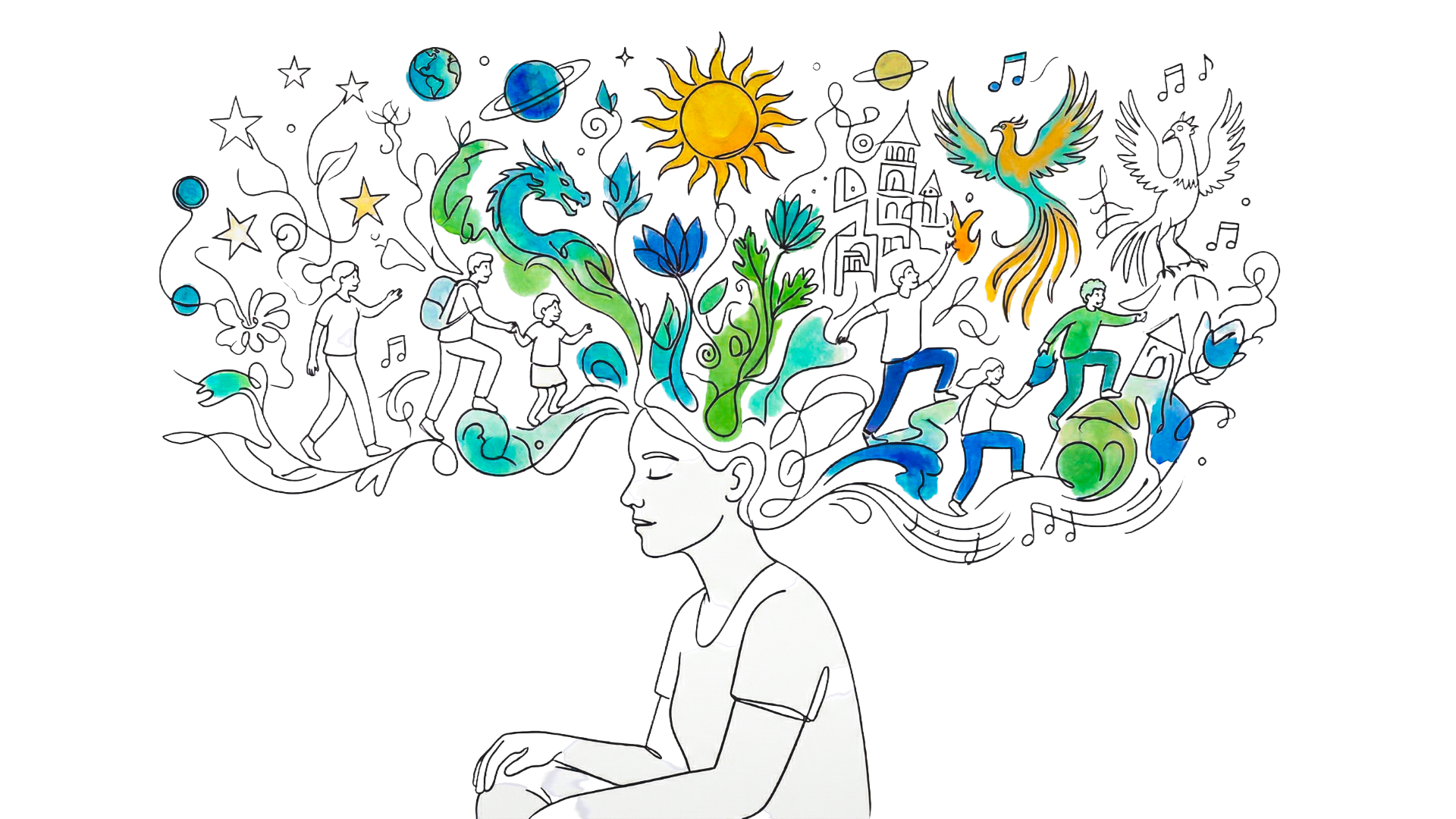
Before we can meet our needs, we have to rebuild the ability to sense them. This means deliberately, gently, but consistently practising turning attention inward. It means having support where you are witnessed and asked about your inner experience, not just your functioning. It means having help in understanding patterns, historical context, and underlying beliefs, and giving them conscious awareness and language.
My work is dedicated to being that haven for you. I understand the weight of feeling invisible, disconnected, and depleted as a struggling parent. And I have seen the profound change that occurs when we are finally seen and truly accompanied in our journey.
Adrienne Crenshaw is a certified Parent Support Specialist and founder of Work in Progress Parenting. She works with parents to understand the patterns beneath the reactions, and to build the self-awareness that makes real, lasting change possible. Book a free chat here.