
The Problem with Labels: Confirmation Bias in parenting
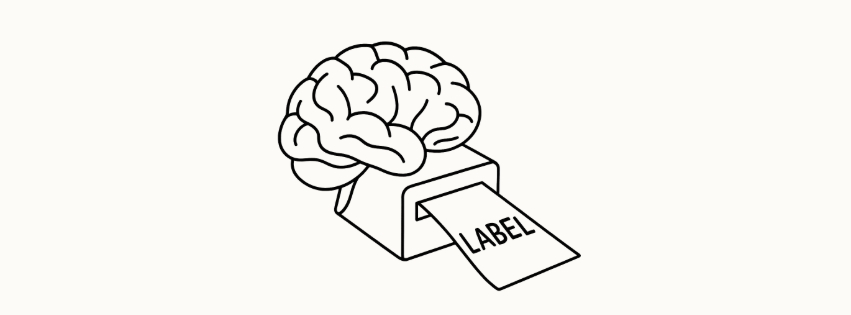
Humans are natural labellers. We do it constantly, automatically, often without noticing.
Our brains are wired to organise the world quickly, so they slap mental notes on everything: easy, messy, loud, hard, typical, overdramatic, self-absorbed.
It’s not because we’re consciously being judgmental or negative—it's because the brain likes shortcuts. Labelling saves energy and creates a sense of predictability. In many ways, this mental shorthand is incredibly helpful, but in others, it boxes us in and limits us in ways we aren’t even aware of.
The Brain Loves Being Right…Even When It’s Wrong
Have you ever watched your child do something and thought, “Here we go again—classic him/her”?
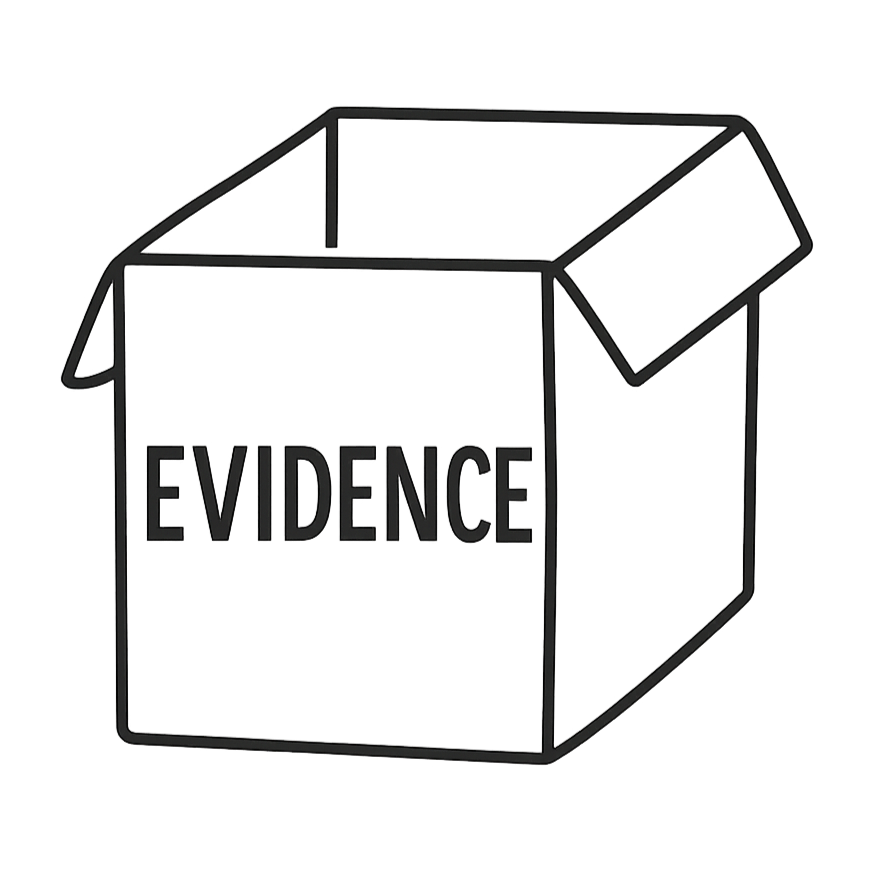
That moment is confirmation bias in action: your brain’s tendency to notice, remember, and prioritise anything that proves what it already believes.
And because the brain loves being right—even when it’s wrong—it’s surprisingly good at collecting “evidence” for whatever story you’ve been telling about yourself or your child.
Why do our brains do this?
The brain is a prediction machine. It prefers to recognise patterns quickly rather than re-evaluate everything from scratch.
Your Reticular Activating System—the brain’s attention filter—highlights anything connected to what you already think is important.
Emotionally strong moments (tantrums, chaos, conflict) stick in our memory more than the hundreds of calm, ordinary moments.
So once you’ve labelled your child “the stubborn one” or yourself as “always stressed and losing it,”your brain starts curating the day to make that label seem true.
So, what’s the problem?
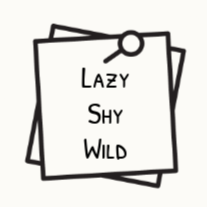
Labels feel efficient, but ultimately they shrink our possibilities and our perspective.
Children are constantly changing, forming new connections, and discovering their identity. When we stick a label on them—or on ourselves—we accidentally set the stage for a very narrow version of who they “are.”
And because kids respond so strongly to our expectations, those labels can quietly turn into scripts they feel they have to perform and identities they have to carry.
It can be helpful to think about ourselves as children and who we are today. What labels were we given? Is there a story about who you are that you didn’t choose… but still behave as though you must live up to?
Disrupting the bias
You don’t have to stop it completely—no one ever could. But you can loosen its grip.
Try these simple shifts:
Swap labels for descriptions.
“She’s difficult” → “She’s having a hard moment.”Actively notice the exceptions.
Look for the times the old story isn’t true →The bedtime that went smoothly, the transition that didn’t end in tears.Use “right now” or “yet.”
“I’m struggling with the morning routine right now.”
”She isn’t ready to do it independently yet.”Pause before narrating.
Let your brain catch up to the actual moment instead of the predicted one →You’re about to say “He never listens,” but if you pause, you might see he’s actually focused on something meaningful to him, not ignoring you.
challenging the labels
Ask yourself:
Is this a fact—or a familiar story?
What am I expecting to see? What else might be true here?
Have I seen moments that contradict this label?
If I didn’t already believe this about my child (or myself), how would I interpret this moment?
What’s the most generous explanation I can offer right now?
A tiny shift in attention can provide a huge shift in connection. When you change the story your brain is telling, you make space for your child—and yourself—to be someone bigger than the label.
Adrienne Crenshaw is a certified Parent Support Specialist and founder of Work in Progress Parenting. She works with parents to understand the patterns beneath the reactions, and to build the self-awareness that makes real, lasting change possible. Book a free chat here.