
Breaking Cycles in Real Time: What It Looks Like on a Typical Tuesday
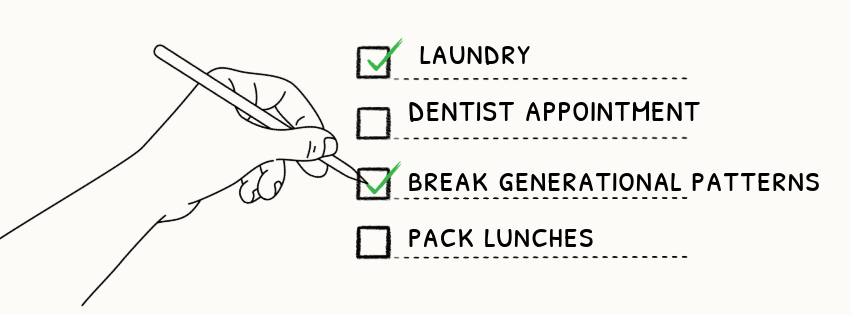
We tend to imagine “breaking cycles” as a dramatic before-and-after moment — a declaration, a dramatic vow, and a clean line drawn between past and future.
But in real life, cycle-breaking almost never looks like that.
It looks like a Tuesday.
It looks like pausing before reacting, even when your nervous system is already activated.
It’s hearing the familiar script rise in your mind — the one you were most likely raised with — and choosing a different response.
It’s noticing your body tighten, taking one breath, and giving your child a calmer version of you than the one you were given.
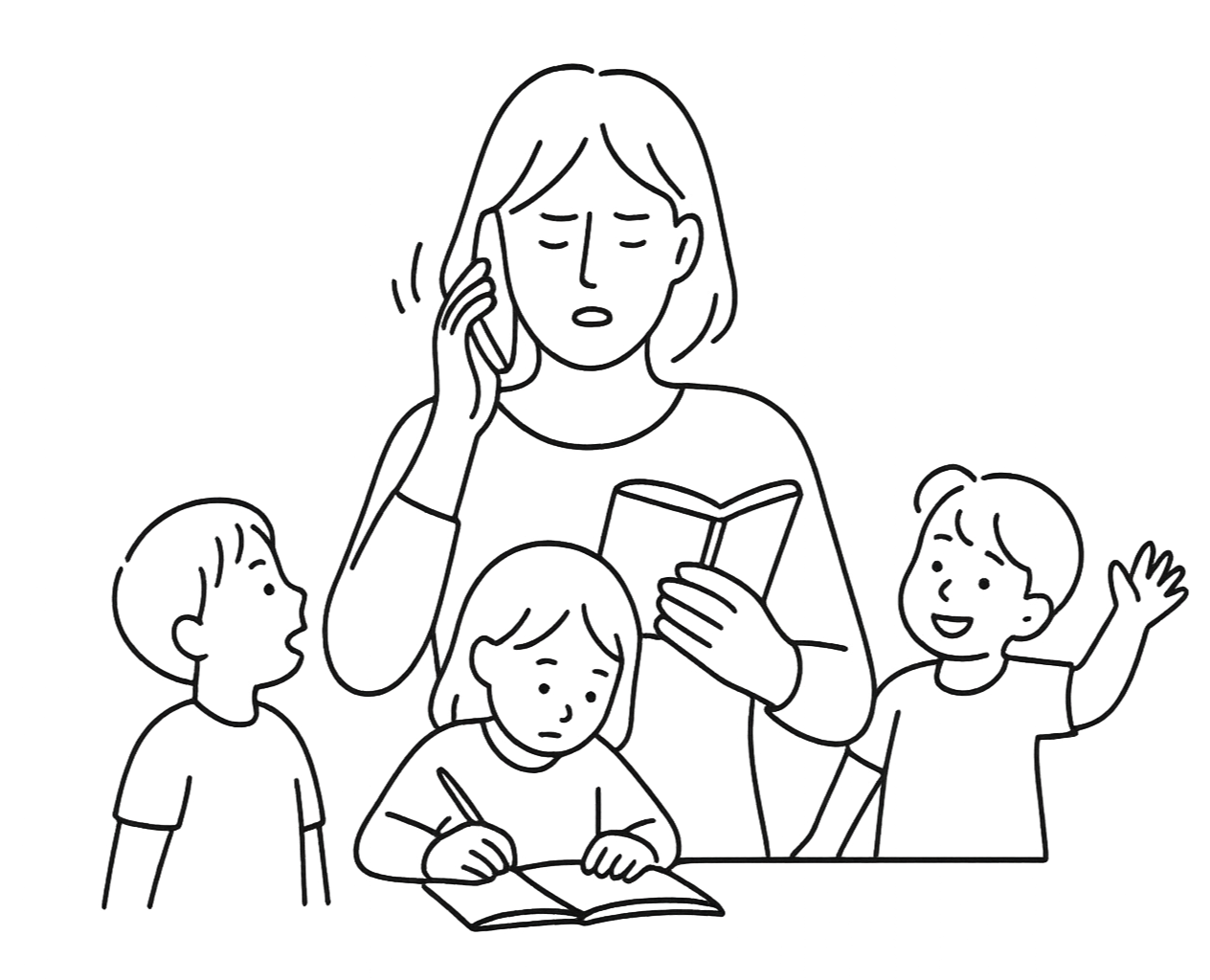
This is not easy work.
From a neuroscience perspective, this is active neural rewiring. Every time you interrupt an old pattern, your brain is engaging in “prediction error”: updating its expectations, weakening old pathways, and reinforcing new ones. Because change isn’t just emotional, it’s also biological.
And while your own brain is rewiring, you’re also co-regulating with your child.
Their developing nervous system is borrowing yours for cues on safety, connection, and recovery. This is why it feels exhausting: you are doing double work — managing your inner world while helping another human shape theirs.
So on a typical Tuesday, cycle-breaking might look like:
lowering your voice instead of matching their volume
narrating your feelings instead of suppressing them
repairing after a moment you regret
choosing presence over perfection
listening even when you weren’t listened to
It rarely feels triumphant. It often feels subtle, uncomfortable, slow, and maybe even unnoticed.
But these micro-shifts accumulate. They become your child’s internal template for safety and relationship — and your own template for self-leadership.
Cycle-breaking is not a single choice.
It is a practice, built in moments just like this.
And if today all you managed was one pause, one breath, one slightly more softened response… that actually is the work.
I bet you’re doing it.
Adrienne Crenshaw is a certified Parent Support Specialist and founder of Work in Progress Parenting. She works with parents to understand the patterns beneath the reactions, and to build the self-awareness that makes real, lasting change possible. Book a free chat here.