
What if you're not overwhelmed… you’re actually understimulated?
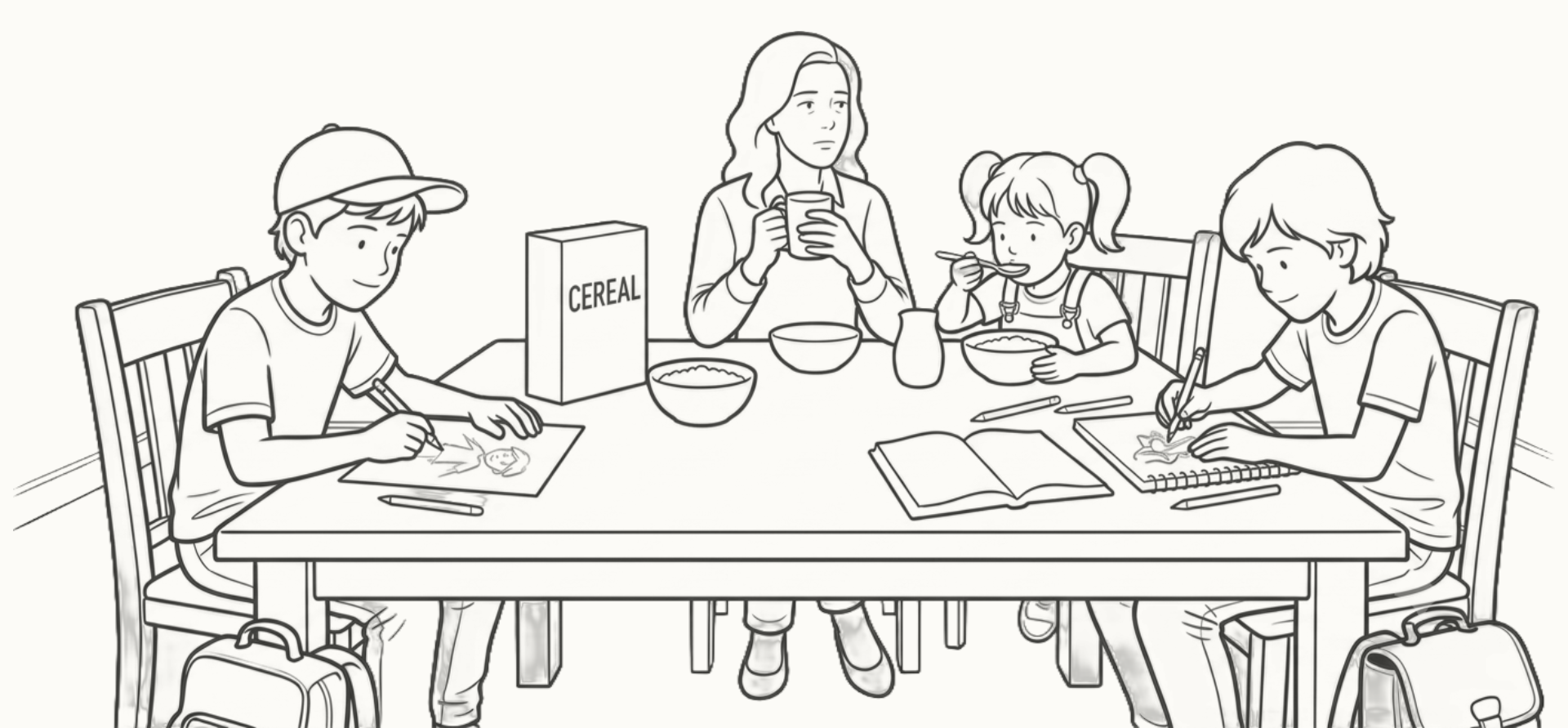
Feeling overwhelmed and overstimulated as a parent is a story we all know by heart: being touched-out, noise-fatigued, sensory-overloaded, and one more request away from snapping. Overstimulation comes with the territory of family life, and it inevitably underlies a lot of the less pleasant reactions and less Instagram-worthy moments.
And perhaps partly because it’s often talked about, it’s also easy to spot. For the most part, we know what overstimulation sounds like, feels like, and looks like.
But there’s something else that comes up with parents I speak with, which is trickier to identify because it doesn’t look from the outside like “too much”. For many parents, it feels like restlessness, difficulty being present, or maybe even a feeling of flatness. It’s the feeling you have at the end of a long, relentless day that was full of noise and activity, yet somehow left you starved of anything that actually engaged you.
It’s understimulation, and it’s just as dysregulating and depleting as its counterpart.
Signs of Understimulation
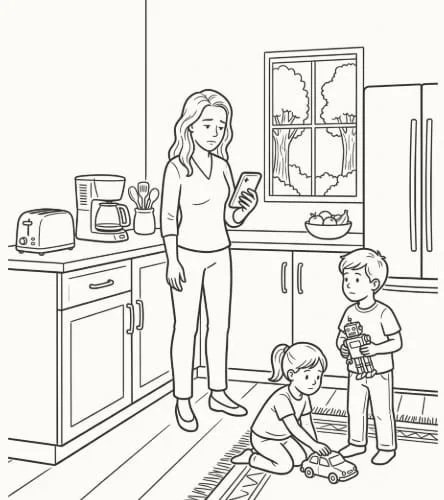
Understimulation can be quite subtle and can unfold with more of a “slow-burn” than the explosivity of overstimulation. But here are some of the common threads I hear from parents, and the ones I have experienced myself:
A persistent low-grade boredom or flatness, even during "full" days
Brain fog or difficulty concentrating on anything, including things you'd normally enjoy
Irritability or snapping that feels disproportionate to whatever triggered it
Reaching for your phone constantly, not for information, but from restlessness and connection-seeking
A pull towards conflict or drama, because at least it's something happening
Feeling strangely disconnected from your partner, your friends, even your own children
Losing interest in hobbies or ideas that used to light you up
A looming sense of "is this it?", which feels separate from sadness and more like resignation or neutrality
Parents who feel this way are often confused by it because their days are objectively demanding. Working, organising, negotiating, meals, tantrums, school runs, admin…
Surely that counts as (over)stimulation? But volume of tasks and richness of stimulation are not the same thing, and this is where the nervous system lens is genuinely useful.
Why it happens: a Polyvagal Theory perspective
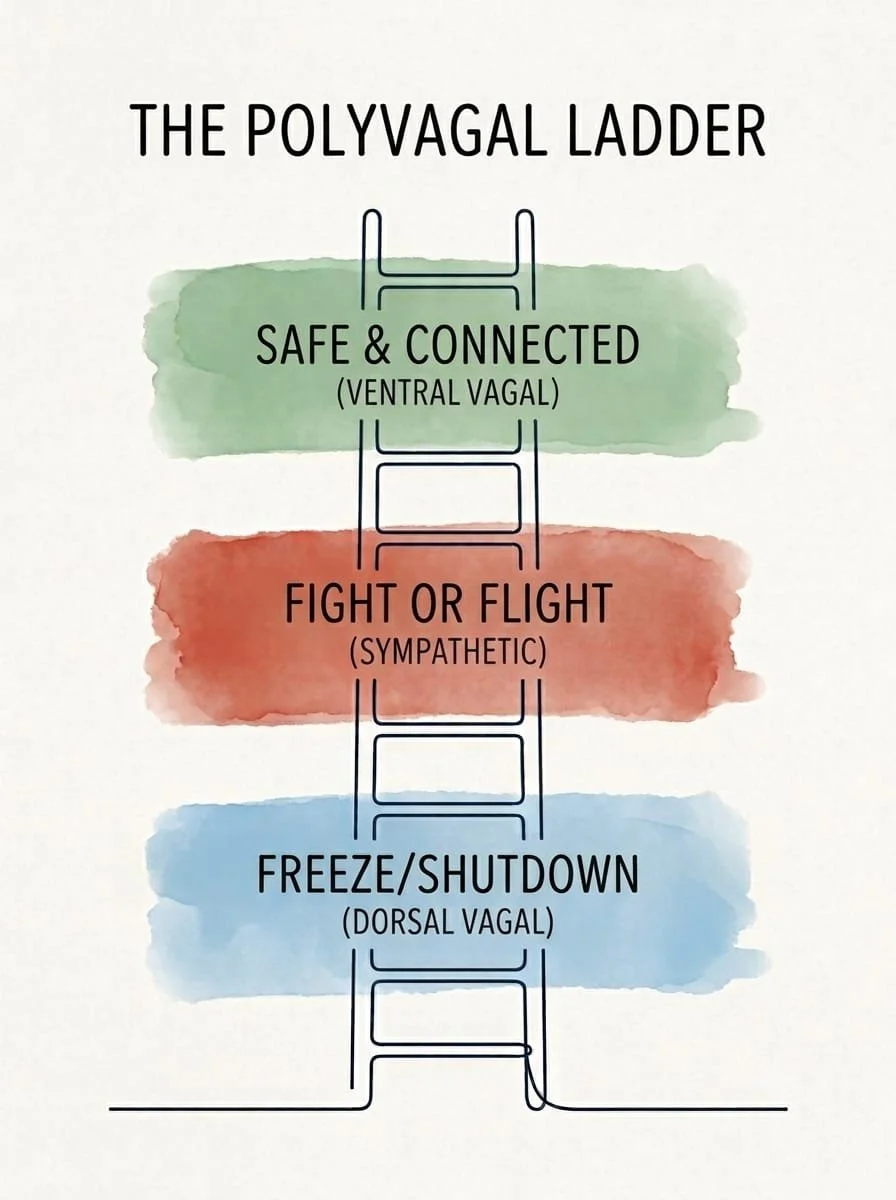
Dr Stephen Porges's Polyvagal Theory describes the autonomic nervous system as a ladder. At the top is the ventral vagal state- this is our state of safety, social engagement, curiosity, and playfulness.
Below that is the sympathetic state- “fight or flight” mode, where we’re alert and geared for action. This is the "overstimulated" state that most parenting content focuses on.
At the bottom rung of the ladder is the dorsal vagal state. This is our freeze response, where we’re shut down, numb, disconnected, and conserving energy. This is the home of understimulation.
The common assumption is that dysregulation only ever means climbing too high up the ladder: too much noise, too much sensory input, too much sympathetic activation. But dorsal vagal shutdown doesn't require the same obvious, dramatic triggers.
It is often reached through prolonged monotony, isolation, and a lack of genuine, meaningful social engagement. Which, let’s be honest, describes a huge number of parenting days, especially in the early years.
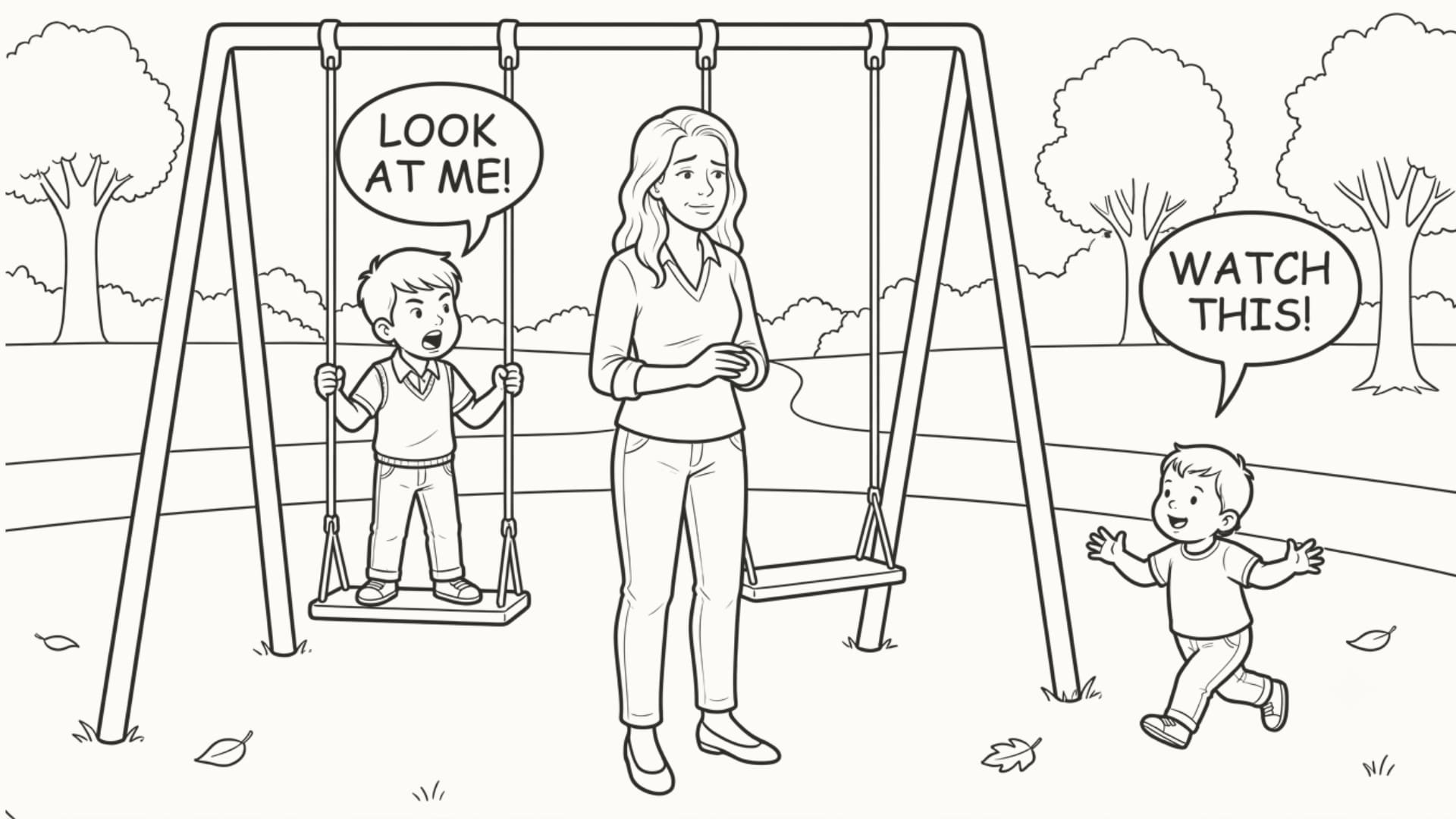
Caregiving is incredibly repetitive. The same songs and stories, the same routine, the same conversational range with a toddler, the same tasks on a daily loop. It can be comforting, and crazy-making in equal measure, because it's rarely novel. And the ventral vagal system- the part of you that feels most like you- is built for play, unpredictability, and back-and-forth connection with other regulated adults. When that's stripped out of daily life for months or years, the system doesn't stay activated and alert. It tends to drift downward, towards shutdown, simply from lack of use and the kind of input that your individual system needs.
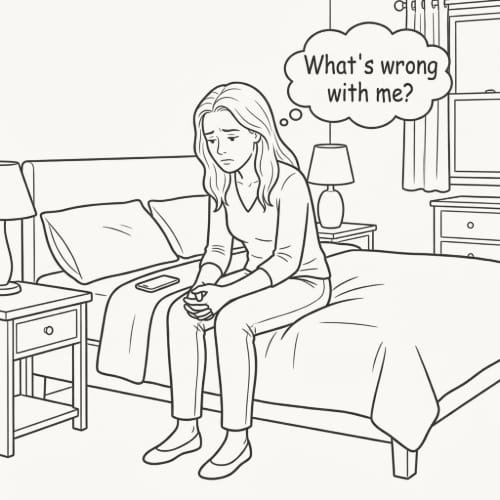
In my experience, there’s another reason we often misunderstand the signs of being in a state of shutdown that makes it harder to address. Overstimulation has society’s permission- it's validated, hilariously and relatably“memed”, and well understood. Understimulation often isn't, because it can look uncomfortably close to "What are you complaining about? You have it easy!" from the outside. And parents internalise that judgement before anyone else even says it. Leaving parents to wrestle with self-blame and guilt for not understanding why they feel oddly empty, isolated, and disconnected, when life on the face of it looks so full. We fear being in this place means we’re ungrateful and possibly undeserving. And that fear keeps us more isolated in our experience, and pushes us even further into our disconnected state.
Ok, so what helps?
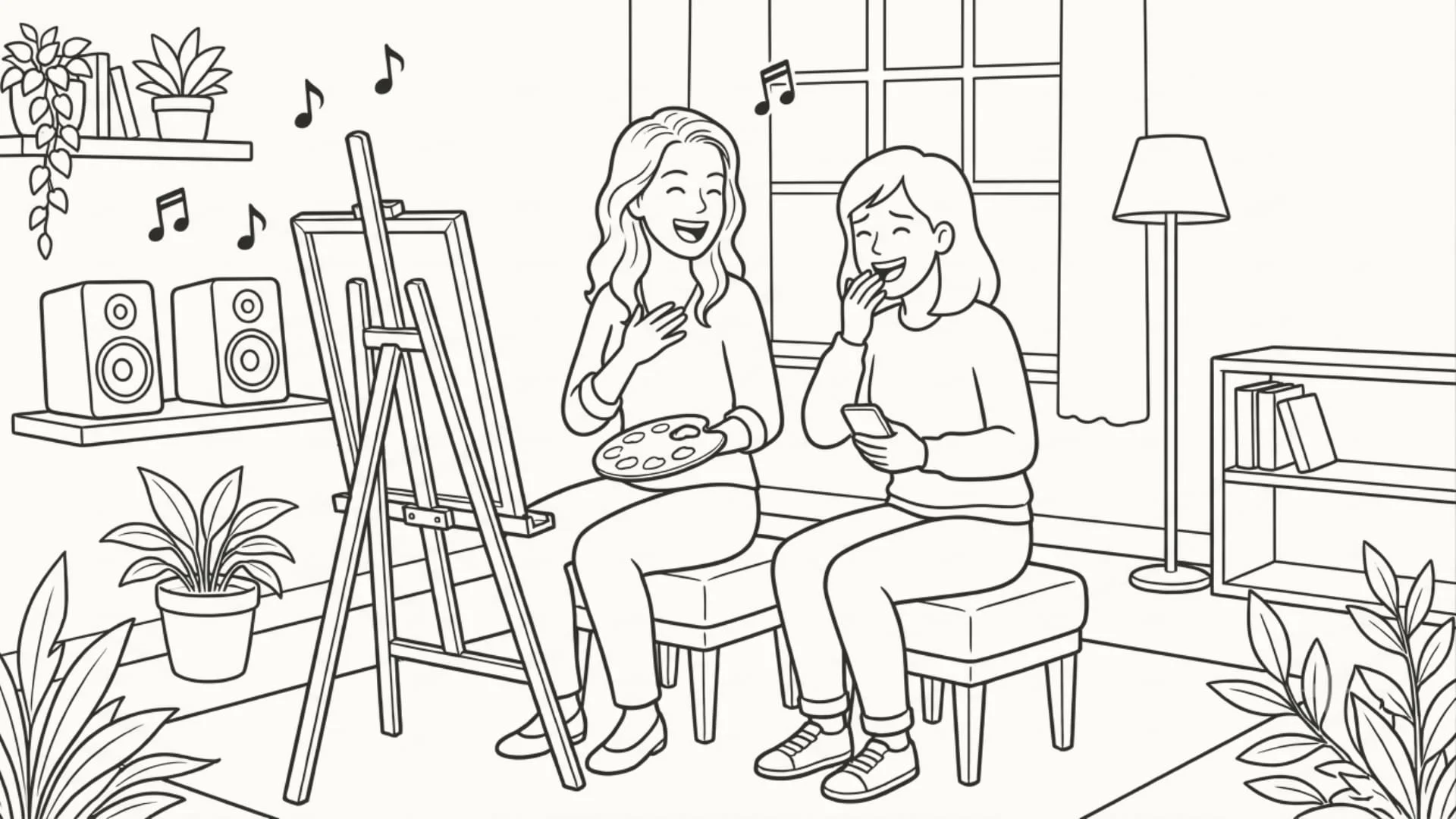
Because this is a low-arousal, under-engaged state rather than an overwhelmed one, the solution isn't more calm, more quiet, or more rest- that often makes our shutdown worse. What helps is safe, manageable novelty and genuine social engagement: gently climbing back up the ladder rather than settling further down it.
LAUGHTER! Laugh more, laugh often. It is one of the fastest, most efficient ways to bring yourself out of shutdown
Micro-novelty in the ordinary. A new route on the school run, rearranging a room, a new recipe, anything that gives the brain something fresh to process and throws off our autopilot mode
Real adult conversation, not just logistics. Even ten minutes of being genuinely heard by another regulated nervous system counts as co-regulation
Movement that isn't purely functional. Joyful movement like dancing in the kitchen, a walk with no destination, anything with a playful rather than task-based intention
Reintroducing a hobby or interest in small, low-pressure doses, even for just five minutes at a time
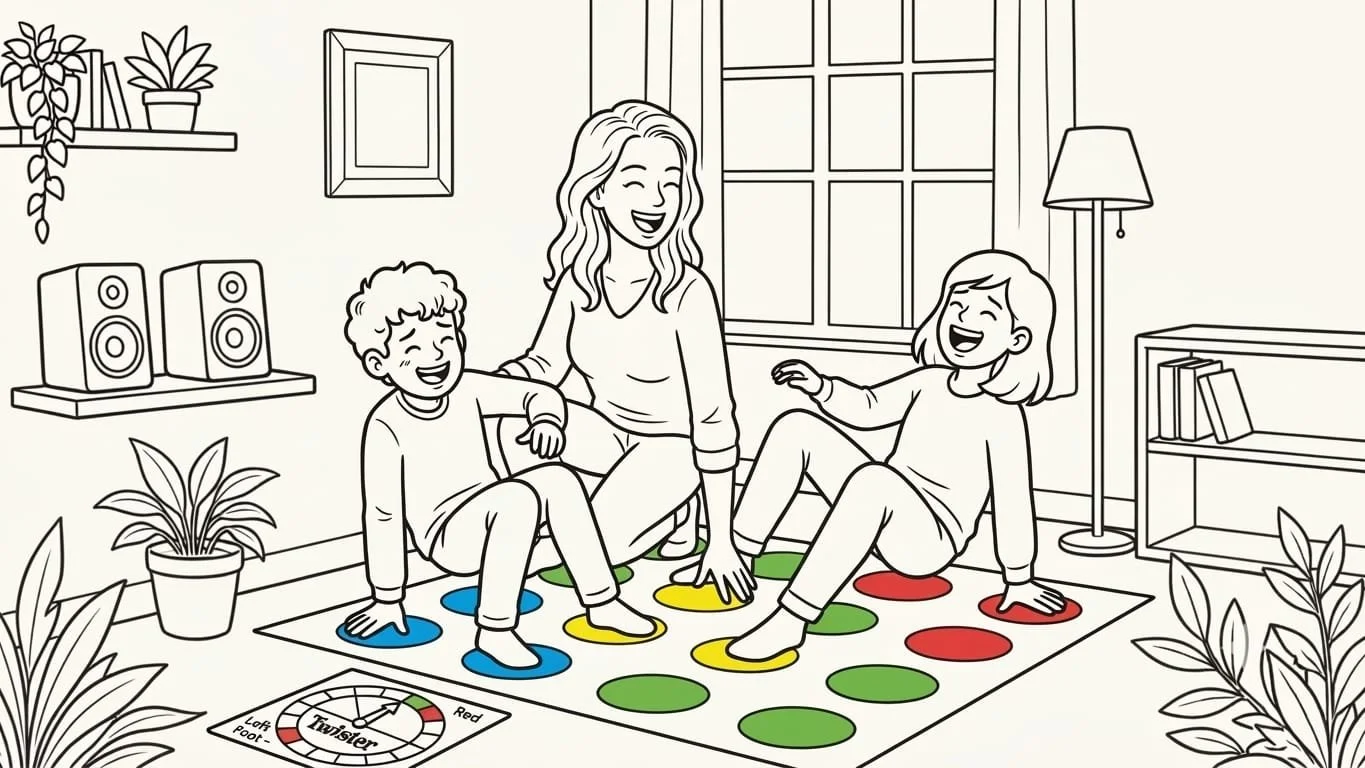
Playful engagement with your children rather than only managerial engagement- playing activates ventral vagal states in both directions
Naming it out loud to someone, without the caveat "but I shouldn't complain". Understimulation is a legitimate nervous system state, and like all nervous system states, it’s indicative of a fundamental human need that is being unmet. For many parents, it’s a need for community and connection, and at the most fundamental level, a need to be seen or heard. Counterintuitively, these things often run in short supply in a parent’s life, no matter how busy it is.
If this resonates with you, you’re really not alone, and you’re not ungrateful. And if tactics for coping with overstimulation haven’t helped shift this feeling of exhaustion and malaise…then it may not be that you're doing too much, but that very little of what you're doing is actually reaching your nervous system. Recognising understimulation for what it is takes the guilt out of it and points towards what will genuinely help you regenerate and feel more like you. It might not be doing less, but doing more of the right things.
*Important Note: It is important to distinguish between understimulation and clinical depression, which can present similarly but needs different support. Chronic flatness, loss of interest, or numbness that doesn't shift with the strategies above, particularly alongside low mood most of the day, most days, for two weeks or more, is worth raising with a GP or health visitor rather than working through alone.
Adrienne Crenshaw is a certified Parent Support Specialist and founder of Work in Progress Parenting. She works with parents to understand the patterns beneath the reactions, and to build the self-awareness that makes real, lasting change possible. Book a free chat here.