
Why parenting can feel harder despite all the insight
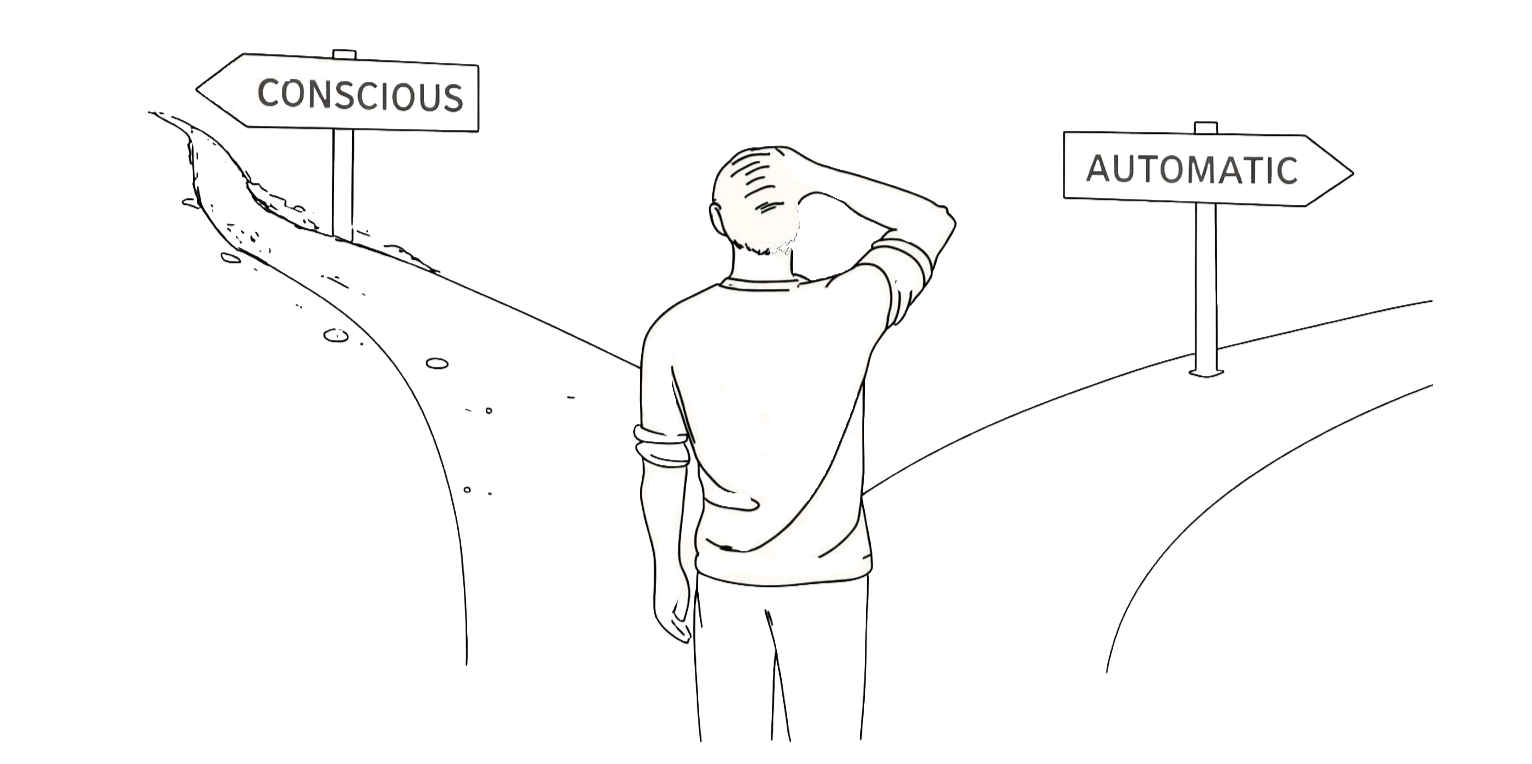
Many parents expect that as they become more aware, informed, and intentional, parenting should be easier.
Instead, it can sometimes feel harder, especially at first.
I don’t believe this is because of a lack of insight, but a consequence of it.
It’s counterintuitive (and feels pretty unfair), but let’s look at why finding it hard might mean you’re doing better than you think.
Awareness turns off autopilot
Without insight, much of parenting happens automatically. We react the way we were reacted to. We repeat patterns without thinking too hard about them. This can look “effective” on the surface because it’s fast, familiar, and neurologically efficient.
But when you become more conscious as a parent, you turn off the autopilot.
You are constantly aware of:
your tone
your impulsive reactions
your emotional baggage
your child’s emotional world
The impact of your responses
Awareness takes a huge amount of energy and effort. The brain has to slow down, override habit, and choose differently. From a nervous system perspective, this is more demanding, not less.
Conscious parenting is neurologically taxing
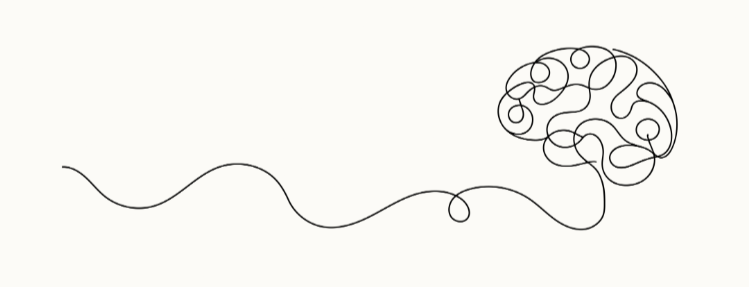
Our automatic responses live in well-worn neural pathways. Conscious responses require the prefrontal cortex to stay “online”, even under stress, noise, fatigue, and emotional intensity, when our more unconscious responses would normally kick in and take over.
Keeping our prefrontal cortex engaged in these moments, instead of letting our “survival brain” take over, is hard.
So if parenting feels more taxing after learning more, it’s often because you are:
interrupting ingrained patterns
tolerating discomfort instead of trying to control it or suppress it
staying present instead of dissociating or escalating
None of this is easy for our nervous system.
Regulation is harder than control
”Control” often brings immediate relief for the adult nervous system, which is why it so easily becomes our default in parenting. However, regulation requires a lot more effort and intentionality, because it asks us to:
be a reliable container for our child’s distress, without trying to “fix” it
manage our own reactions while staying connected
allow emotions to move through us, and our children, without shutting them down
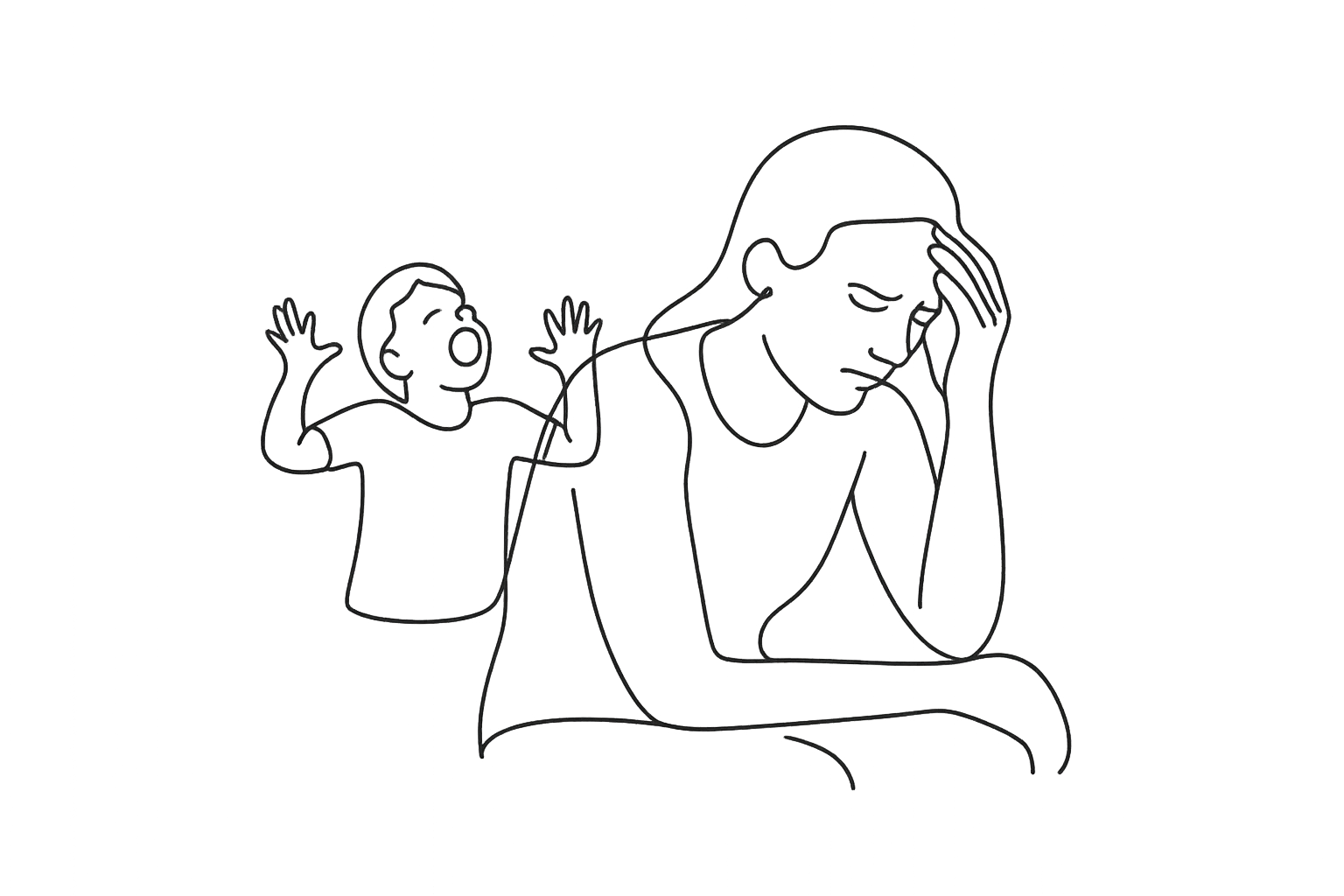
Regulation requires capacity and practice, not just knowledge. And it also requires acceptance that our capacity fluctuates, and allowing for our own imperfection without guilt or shame adds another challenge to the complex mix of self-reflection in parenthood.
You’re holding what used to be offloaded
Many traditional parenting strategies “work” by transferring emotional weight onto the child through fear, shame, or demanding compliance.
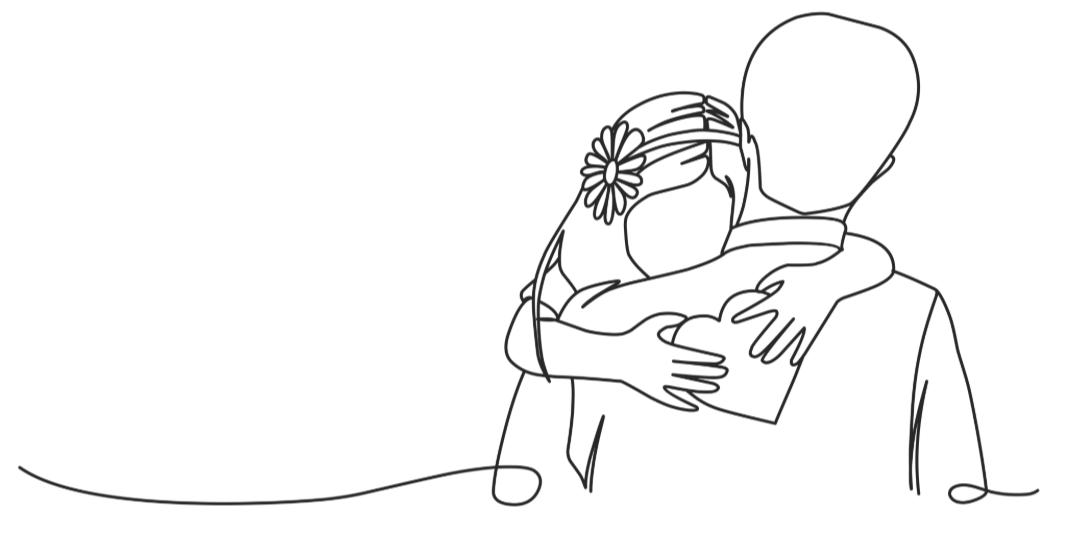
When you choose not to parent that way, it means that you hold the weight instead. We hold the surge of emotions without defaulting to control or outburst, we allow for messiness and intensity while trying to stay present and connected, without the knee-jerk reactions that probably come more naturally to us.
This is a huge tide to turn, and it can be an exhausting shift. It requires far more thought and effort in the moment, and, truthfully, it is less efficient in the short-term. But this is how new neural pathways are created, and how the brain circuits of regulation are strengthened in us and in our children.
Hard doesn’t mean wrong
Growth rarely feels smooth or easy, and rewiring rarely feels comfortable. Parenting with increasing awareness often feels destabilising before it feels integrated.
The distinction lies in the kind of hard we’re facing. Is it hard because we are stuck in patterns that do not serve our children or us, or are we rightfully being challenged by trying to interrupt those patterns and responses in real time?
There is a difference between parenting that feels hard because it isn’t working, and parenting that feels hard because you’re doing the work.
Adrienne Crenshaw is a certified Parent Support Specialist and founder of Work in Progress Parenting. She works with parents to understand the patterns beneath the reactions, and to build the self-awareness that makes real, lasting change possible. Book a free chat here.