
When “I Turned Out Fine” Actually Meant Becoming Invisible
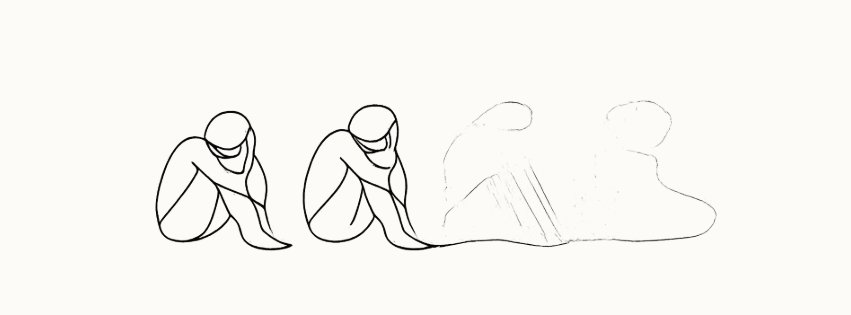
We hear it a lot, and maybe have even said it ourselves:
”I turned out fine.”
And maybe that’s true, in the most practical sense. You function. You cope. You get things done. You’re responsible, capable, and dependable.
But there’s an important question worth asking underneath this statement.
In what ways did becoming “fine” also mean becoming invisible?

For many of us, childhood safety was found in not needing too much, in reading the room, managing ourselves, staying out of the way.
We learned when to speak and when not to.
We learned which feelings were welcome and which were considered unacceptable. How to be “good” and not inconvenient.
This skill of adaptation often worked. At the very least, it helped us survive. And in many ways, it shaped us into competent adults.
But adaptation isn’t the same as integration.
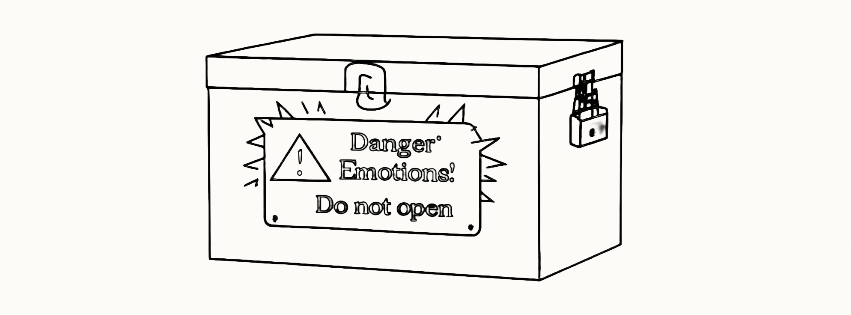
Neuroscience reveals that what we learn under stress doesn’t just live in our memory. It also lives in our nervous system and shapes our behaviour. Under pressure, we default to what once kept us safe.
That’s why, as parents, we may feel discomfort when children are loud, emotional, or take up space.
This is why we feel the urge to silence, contain, or apologise for the perceived inconvenience to others.
It’s why part of us thinks: they don’t need all this attention.
It’s the reaction of the forgotten version of us who learned not to need it.
This is where beliefs like “kids today are too sensitive” or “there’s too much focus on feelings” can take root.
We may unconsciously object to the focus on feelings because, for us, emotional visibility once felt costly and unwelcome.
To explore how this idea feels for us personally, we can ask ourselves some helpful questions:
When I’m overwhelmed now, do I tend to go quiet, get busy, or push through? How do I feel about asking for help?
What parts of me learned that needing less was safer or easier than asking for more?
Where in my life do I still earn belonging by being easy, capable, or low-maintenance?
How might these patterns shape the way I respond when my child takes up space I once learned to give up?
These questions aren’t meant to indict our parents or ourselves. But to bring awareness to patterns that still shape us, as people and as parents. When we begin to see where our own invisibility started, we are better able to choose how we respond to theirs.
Adrienne Crenshaw is a certified Parent Support Specialist and founder of Work in Progress Parenting. She works with parents to understand the patterns beneath the reactions, and to build the self-awareness that makes real, lasting change possible. Book a free chat here.